20 May 2026
Call Now
(+975) 17719310Bhutan is a kingdom tucked high in the eastern Himalayas, where the air is pure and snow-capped peaks tower over the horizon. Often called the “Land of Happiness,” Bhutan is world-famous for its philosophy of Gross National Happiness (GNH). This is not just a catchy phrase; it is a way of life that prioritizes the well-being of people and the environment over profit. You will notice this peaceful rhythm the moment you arrive.
This commitment to the planet is why Bhutan is a global leader in sustainability. By legally mandating at least 70% forest coverage, it has become the world’s first carbon-negative country, absorbing more CO2 than it emits. But the “magic” goes deeper than the landscape. A Bhutan family tour reveals a living history, where you can visit sacred temples dating back to the 7th century and witness a daily life that has remained deeply rooted in tradition.
Bhutan is not just defined by one thing; it is renowned for its unique harmony of faith, nature, and culture. This blog explains exactly what sets the Kingdom apart and why a family trip here is an experience unlike any other.

People often ask me, “What makes Bhutan so special?” My answer is always the same: the difference is in the details. Bhutan remains one of the world’s last untouched Himalayan kingdoms, with a population of just over 700,000 people. When you land in Paro or walk through Thimphu, you’ll notice something missing — global chain stores, crowded cities, and neon signs. Instead, you’ll find quiet cafés, hidden local boutiques, traditional architecture, deeply spiritual culture, and some of the warmest and most genuine people you will ever meet. In Bhutan, the modern world does not replace the past; it respectfully lives alongside it.
Why does Bhutan feel so peaceful? It’s intentional. Through our “High Value, Low Impact” tourism policy, Bhutan protects its soul. By prioritizing quality over quantity, we ensure that every guest contributes to a sustainable future, supporting free healthcare, education, and the preservation of our pristine environment. You aren’t just a tourist here; you are a patron of a living heritage.
To understand the “Mountain Magic,” there are a few things every traveler should know:
Instead of racing toward modernization, Bhutan protects its pace. Landscapes like the Phobjikha Valley remain wide and untouched, while the remote villages of Haa keep their ancient rhythm.
This balance of tradition and nature is what makes Bhutan so special. You don’t just visit this Kingdom; you adjust to its peaceful pace and discover a new way of seeing the world.
Bhutan is a place that invites you to be fully present. If you are ready to explore a destination that values its people and its planet above all else, we are here to help you navigate the magic. Explore our boutique journeys to experience it more meaningfully.

Bhutan’s culture and traditions are not just for the visitors. In many countries, culture shows up in museums or special events in Bhutan. Here, it stays part of daily life.
In the markets of Thimphu and the streets of Paro, men still wear the gho, and women wear the kira as part of everyday life. It is not staged for visitors or treated like a cultural performance; it is simply who we are. You will see people going to work, visiting cafés, or walking through town dressed in traditional clothing, keeping Bhutan’s heritage naturally woven into daily life.
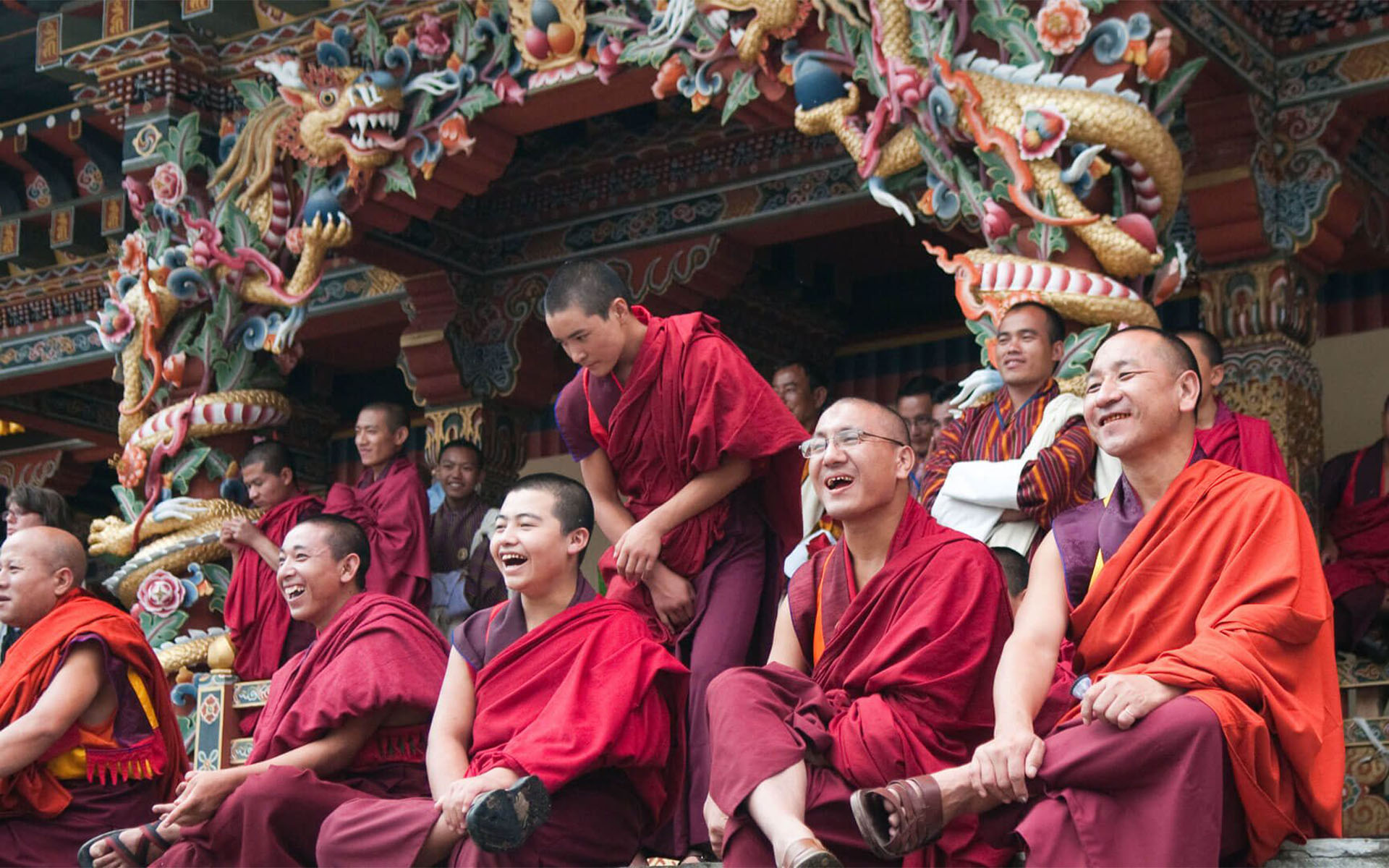
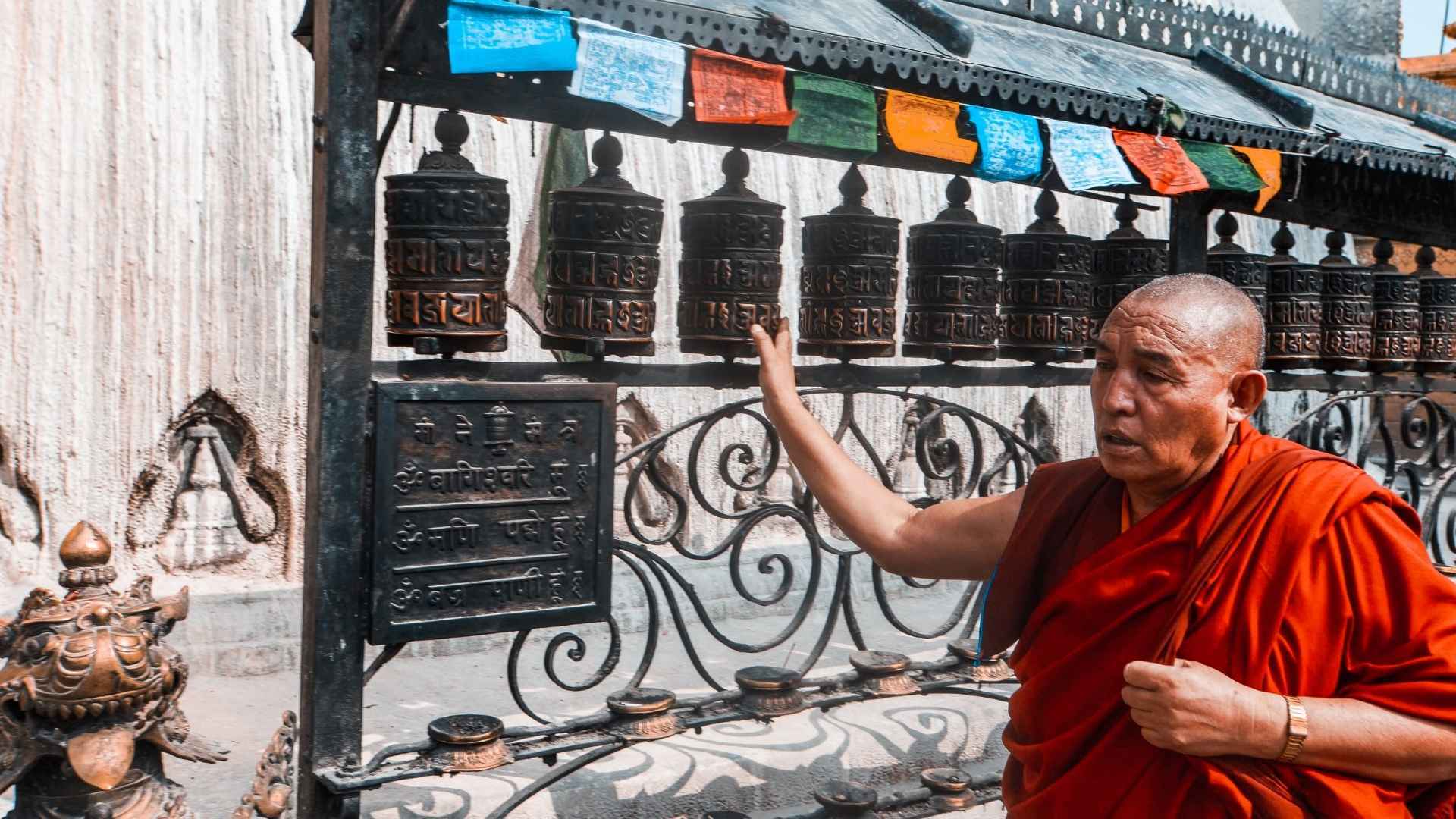
Religion remains deeply woven into everyday life in Bhutan. Prayer wheels spin beside the Memorial Chorten in Thimphu, monks quietly pass by small local shops, and moments of spirituality naturally blend into daily routines.
In Bhutan, tradition isn’t a performance staged for tourists; it is the very fabric of daily life. Here, culture is not preserved for display — it is lived, practiced, and passed down from one generation to the next.
The Kingdom’s deep spirituality is equally visible. You’ll witness people of all generations performing circumambulation (Kora) around sacred stupas, their fingers moving rhythmically over prayer beads as they chant whispered mantras. The air is often filled with the soft, rhythmic click of prayer wheels being turned, a constant cycle of blessing for the world.
Perhaps the most unique part of the experience is the people themselves. There is a gentle, quiet dignity in the way locals interact. Known for their polite speech and genuine kindness, the Bhutanese have a way of making “high-value tourism” feel like a warm, personal invitation into their home.

The Kingdom’s famous Tshechus (festivals) are the ultimate expression of this living culture. A Bhutan family tour during the Paro or Thimphu Tshechu offers more than just a show; it offers a place in the circle.
In the sun-drenched courtyards of the Punakha Dzong or Tashichho Dzong, you’ll watch monks perform the Cham, sacred masked dances that bring ancient legends to life. But the real magic is on the sidelines: local families arriving at dawn, spreading out colorful mats, and sharing home-cooked meals while they watch the dances for hours. You don’t just observe these festivals; you are absorbed into them.

Bhutan’s spiritual landscape is famous for the Tiger’s Nest (Paro Taktsang), which hangs precariously 900 meters above the Paro Valley. The climb through the pine forests is a rite of passage, ending in a silence that feels both powerful and calm. While it is the most iconic landmark, the Kingdom’s heart goes much deeper.
To find the true roots of Bhutan, you must visit the 7th-century temples like Kyichu Lhakhang in Paro and Jambay Lhakhang in Bumthang. Built 1,300 years ago to pin down a giant ogress, these are living monuments where myth and daily prayer meet. For a quieter experience, sites like Tango and Cheri Monastery near Thimphu offer the same sacred energy without the crowds.
We believe these sacred spaces are for reflection, not rushing. We find quiet, pristine spots for our guests to sit in meditation rather than just snapping a photo and leaving.
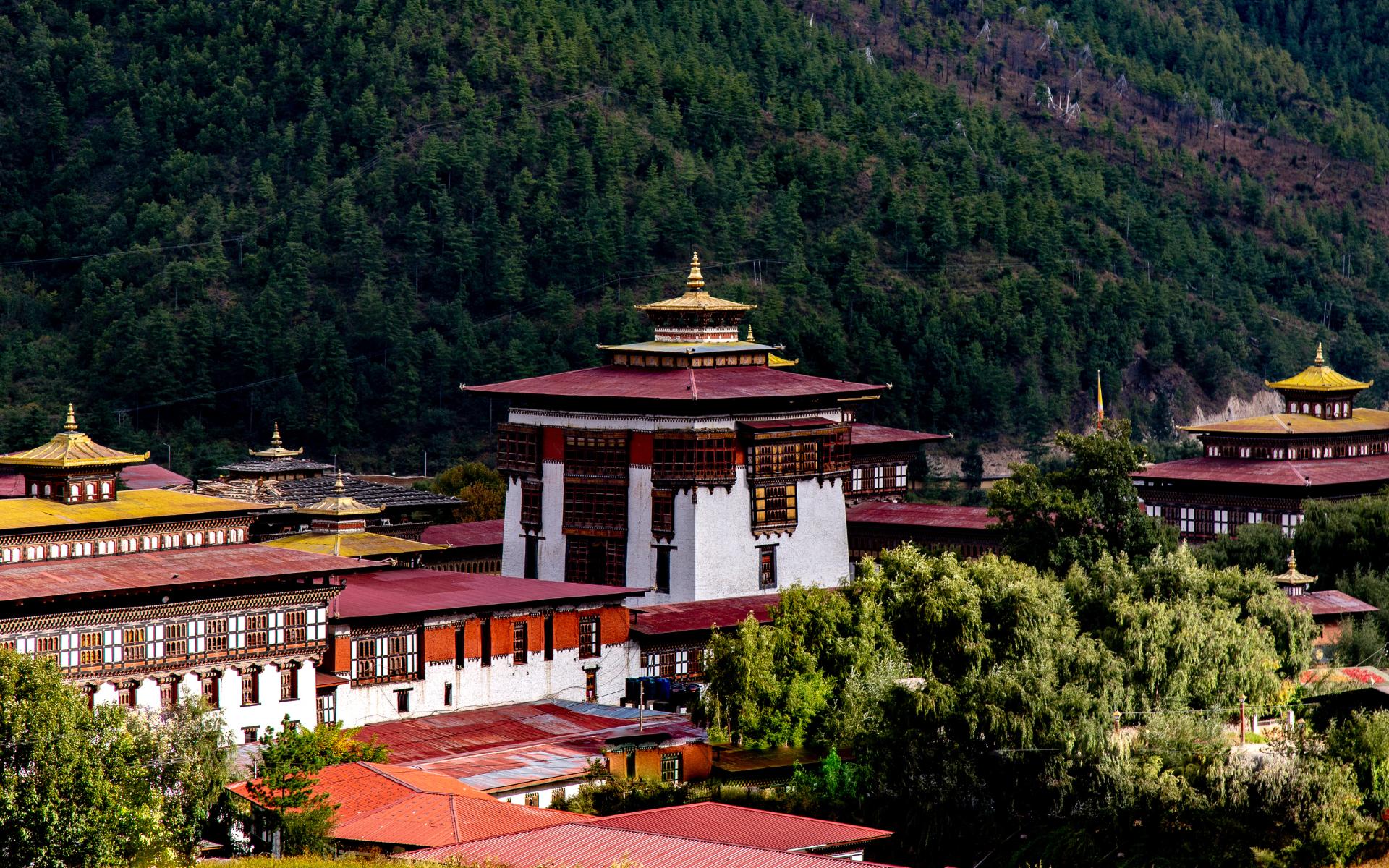
You cannot visit Bhutan without being awed by the Dzongs. These massive white fortresses were built centuries ago without a single nail or a written blueprint—constructed entirely from the spiritual visions of master builders.
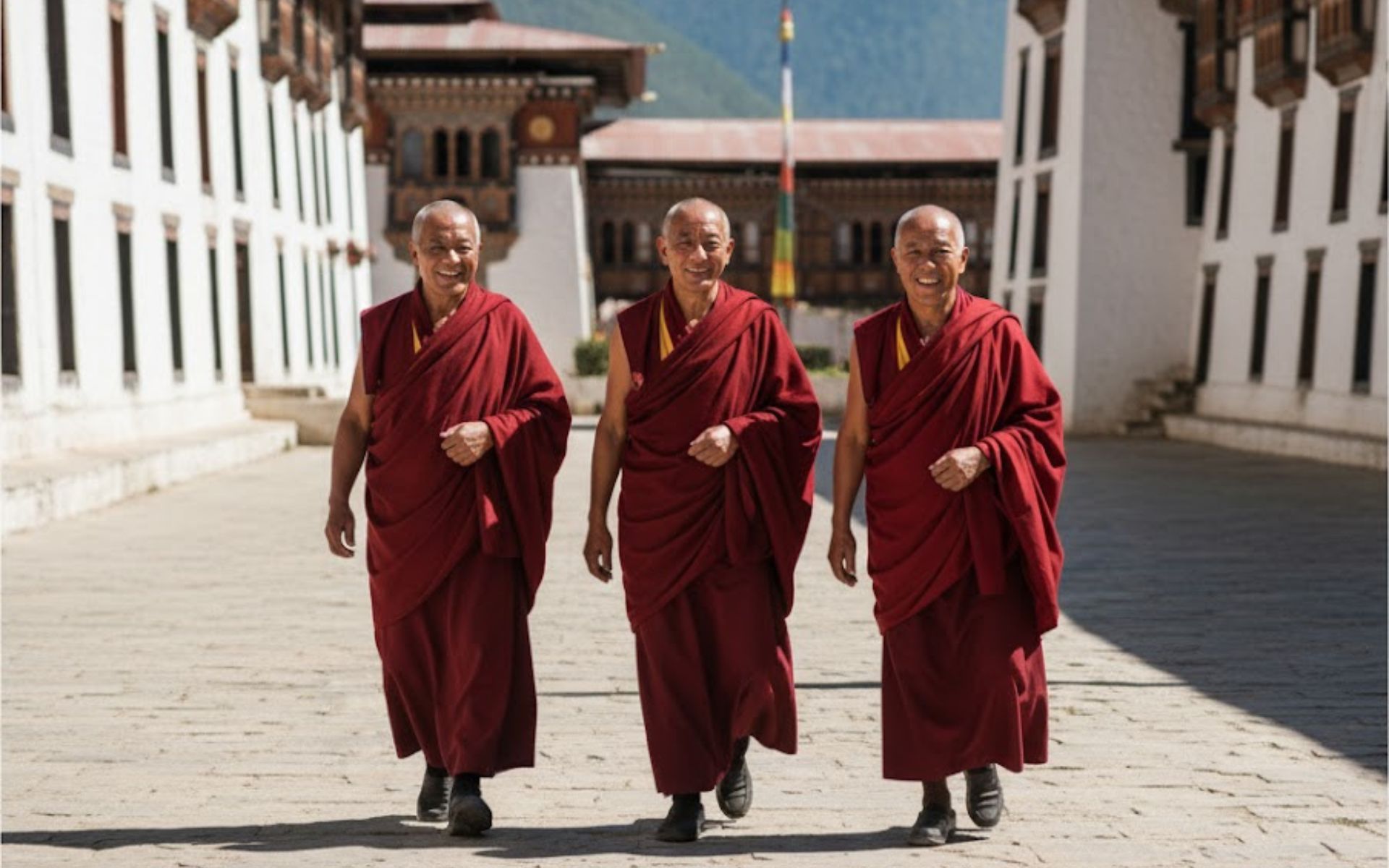
Today, they remain the beating heart of the country. Inside their thick stone walls, red-robed monks live and pray alongside government officials. Walking through the courtyards of the majestic Punakha Dzong or Tashichho Dzong, you see the perfect, living balance of Bhutanese faith and daily life.

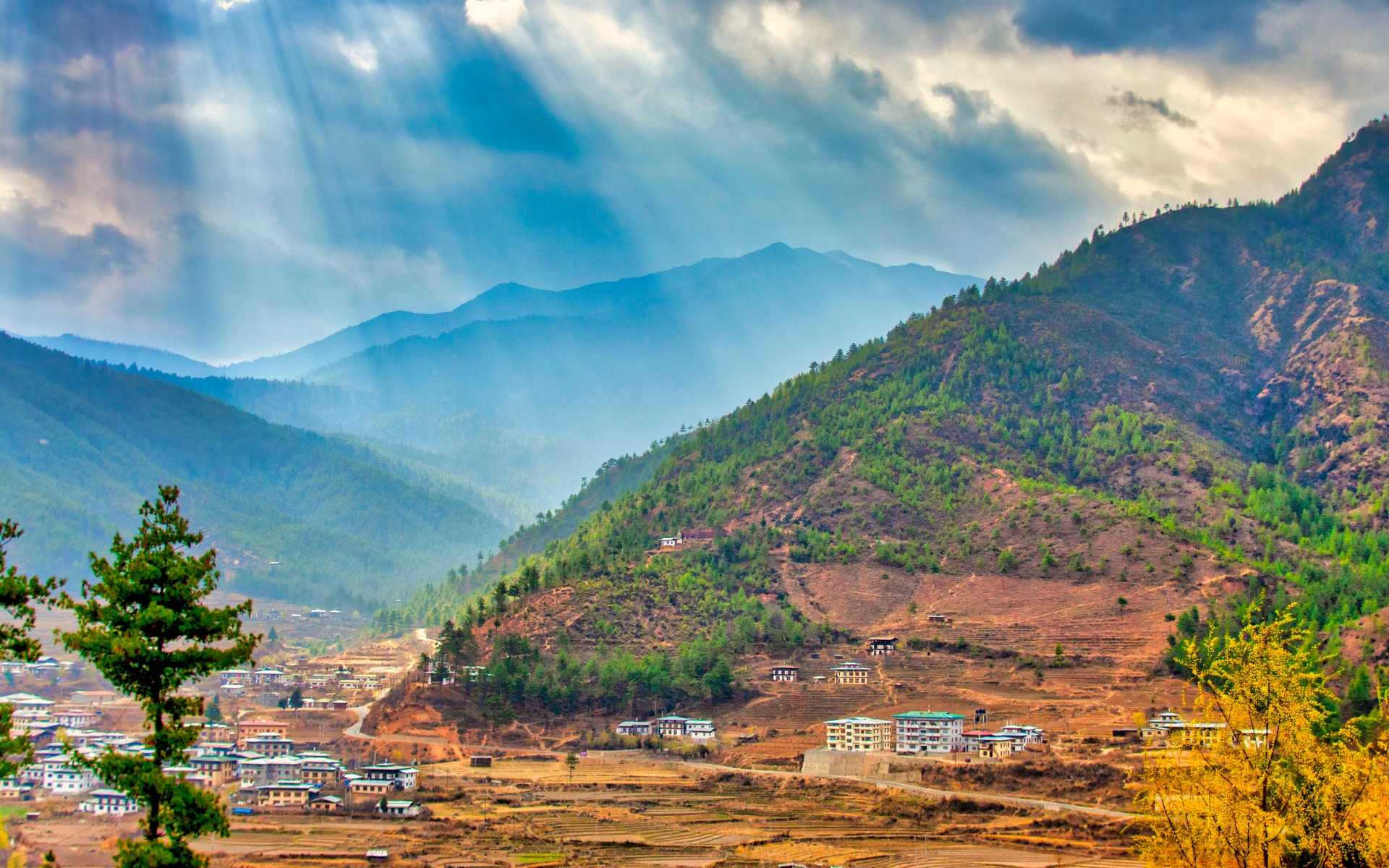
In Bhutan, the terrain doesn’t just decorate the country, it defines it. Valleys like Paro, Punakha, and Phobjikha stretch between steep, emerald hills, while glacial rivers carved from high peaks run fast through narrow gorges.
Instead of slicing through the landscape, our roads follow the natural contours of the Himalayas, creating a travel experience with a uniquely gentle rhythm. In Bhutan, moving slowly isn’t an inconvenience; it’s an invitation. While the winding geography often makes a short distance on a map feel much longer, it grants you the time to notice what most travelers miss. At this deliberate pace, your eyes can linger on a secluded cliffside monastery or catch the subtle dance of a weather-worn prayer flag in the breeze. It is a surreal immersion where the journey itself becomes the destination.
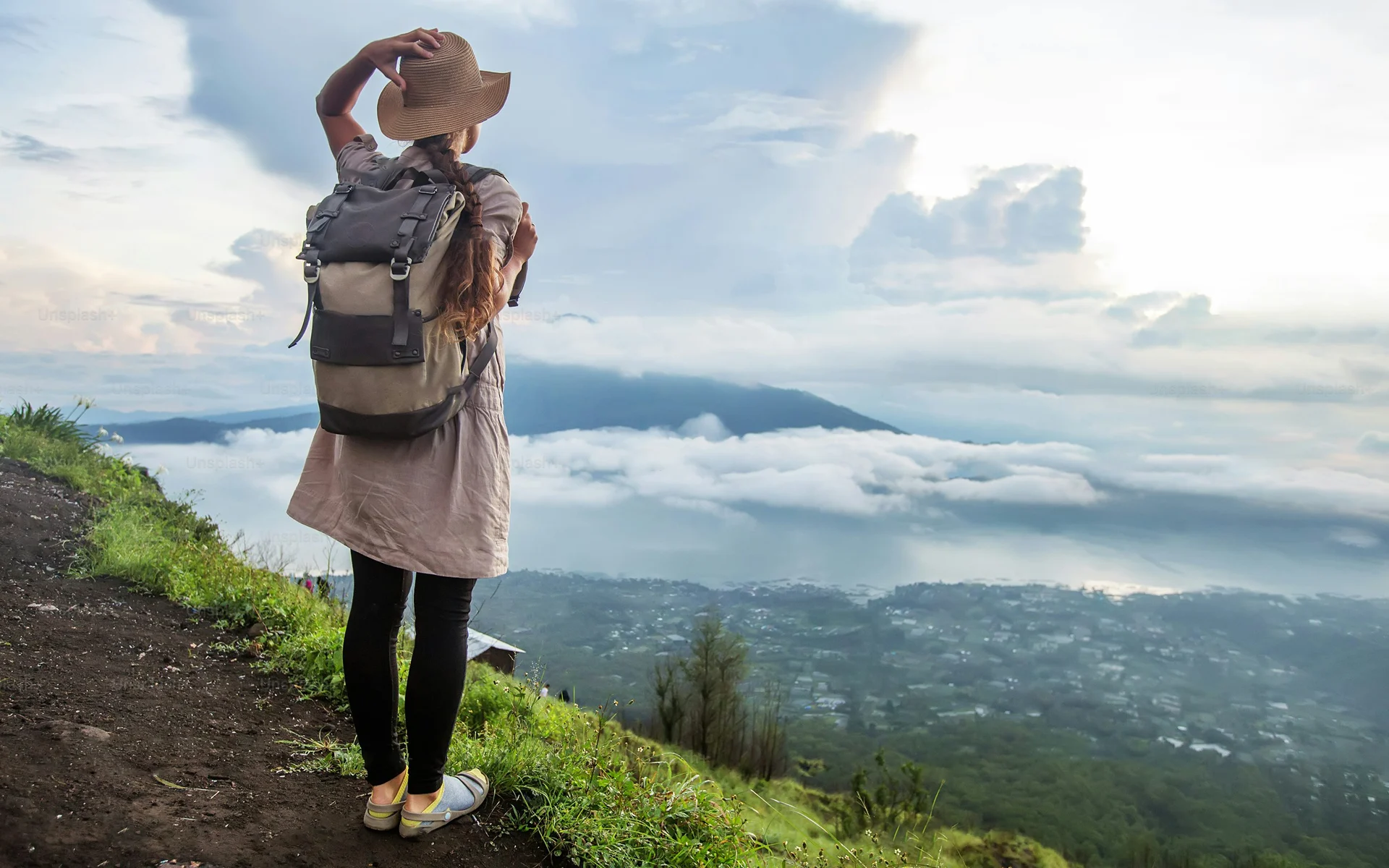
The best way to feel the scale of these mountains is to walk them. Whether it’s a family-friendly nature walk through blue pine forests or a trek to a high-altitude ridge, you are walking on paths used by monks and locals for centuries. From the snow-capped peaks of Dochula Pass to the quiet, warm valleys below, the mountains are the thread that connects every part of Bhutanese life.
While the rest of the world measures success in numbers and growth, Bhutan measures it in smiles and sustainability. We follow the philosophy of Gross National Happiness (GNH), the belief that the well-being of our people and the health of our planet are more important than profit.
For a traveler, GNH isn’t something you see in a museum; it’s something you feel in the air. It is the reason our forests are lush, our traditions are vibrant, and our communities are so welcoming. This unique “Success Metric” is built on four essential pillars:
When you choose a boutique journey to Bhutan, you aren’t just taking a vacation; you are stepping into a society that has chosen to put happiness first. It’s a powerful lesson for families and groups alike, one that often changes how our guests view their own lives back home.
Because people travel whenever their holidays allow, Bhutan offers a different kind of magic in every season:
A trip to Bhutan isn’t about rushing through a checklist of sights; it is about the moments that happen when you finally slow down. You’ll find yourself lingering over a view in the Paro Valley, sitting in quiet reflection by the river in Punakha, or simply watching the rhythmic pace of life in Thimphu.
In the modern world, we are used to everything moving fast, but in Bhutan, the slow moments are the ones that stay with you. You’ll remember the way the prayer flags snap in the wind at Dochula Pass, the smell of incense in a quiet monastery corner, or the warmth of a simple conversation with a local shopkeeper.
As the world changes and modernization moves forward, this rare, “frozen-in-time” feeling is a treasure. There is a specific stillness in the Kingdom right now that feels like a precious window in history. If you want to experience Bhutan while its ancient rhythm is still the master of daily life, now is truly the time to go.
In the end, you don’t just take back photos; you take back a new perspective. Bhutan teaches you to be fully present and to find your center. It isn’t about “doing everything”—it’s about noticing the beauty that is already there and finding happiness in the simple things. You don’t just leave Bhutan; you carry a piece of the “Mountain Magic” home with you.
Bhutan remains a world apart because it chooses to protect its soul. Here, culture isn’t a museum piece, it is a living breath. If you are planning a trip, keep it simple. Don’t rush. Give valleys like Paro, Thimphu, and Punakha the time they deserve to reveal their magic. That is when you’ll realize Bhutan is truly a kingdom like no other.
We don’t believe in “cookie-cutter” itineraries. We practice the art of creative tourism, where the journey is shaped by the traveler, not a tour bus. Just let us know what your interests are, whether you want to dive deep into our spiritual heritage, explore untouched mountain trails, or simply sit by a farmhouse fire. We will design a fully personalized Bhutan package that moves at your pace and matches your heart.
Tell us your interests, and let’s start your journey
Spring and Autumn are the best times of year to visit Bhutan. The weather feels nice and easy to explore. The best part is that you get to see local festivals.
Bhutanese culture remains deeply connected to its roots. The country remains spiritual, naturally beautiful, and largely unspoiled by mass tourism. More importantly, the kindness of the people and the strong sense of tradition can still be felt in everyday life
Bhutan is the perfect destination for nature lovers. Its lush greenery, peaceful valleys, high mountain monasteries, scenic treks, and quiet forest and village trails offer a deep connection with nature.
Tourists can visit monasteries in Bhutan under certain conditions. They have to adhere to the:
Bhutan has a high Gross National Happiness index. People here are content with their lives and culture. That is why it is called the happiest country in the world.
Bhutan can be expensive depending on the style of travel you choose, especially for luxury tours. However, if you are planning an affordable Bhutan family tour that still allows you to experience the very best of the country, we can help design an itinerary that suits your budget and interests








Bhutan Travel Now- renowned for quality adventures and cultural immersion
Call Now
(+975) 17719310