10 Mar 2026
Call Now
(+975) 17719310Bhutan is a destination where every photograph feels deliberate and meaningful. Its pristine landscapes , authentic cultural experiences, and the fact that there are only a few tourists creates a perfect opportunity for the photographers to slow down and truly take in the beauty and richness of the country. The nation is a great example of a place that has preserved its natural beauty. Beyond the scenery, culture tours in Bhutan offer an intimate way to experience the richness of the land. Village life, local temples, and colorful festivals become a part of the journey, allowing you to capture the pictures that reflect the essence of the country.
In this guide, we highlight some of the best photography spots in Bhutan and share practical tips to capture images that tell a story.

The country is famous for its:
Every photograph you take here carries emotion and depth.
Here are the best seasons:
Spring is the time when most photographers want to be in Bhutan. Wild alpine flowers spread across the valleys and meadows. The sky is crystal clear. Even the sun feels gentle. Festivals like Paro Tshechu add vibrant cultural colors to your shots.
Birds make their way back to the woods. The flowering plants give a splash of color to every picture.
The best time to visit is from September to November. You can see the local festivals. Autumn brings clear skies and crisp air, making it the peak season for photography. Golden rice fields, colorful monasteries are perfect. The warm, soft sunlight makes every photograph stand out.
This season is also popular for trekking in Bhutan and experiencing cultural tours during this time is especially rewarding.
These are the places you shouldn’t miss out on:

This beautiful monastery is 900m above Paro valley. It requires a moderate hike to get there. You can capture stunning shots of its golden roofs. There are also fluttering prayer flags.
Notable highlights of Paro Taktsang:
The monastery is sometimes covered in the morning fog. It usually disappears later. This gives a short window for wide-angle photos. You can capture the cliffside and golden roofs. There are also prayer flags waving in the wind.
Photography Tip:
The best light is around noon. You can see it on your way back from the hike. It hits the cliff directly. The golden roofs and prayer flags are glowing. This makes a nice setting for wide-angle shots. It shows the grandness of the monastery.

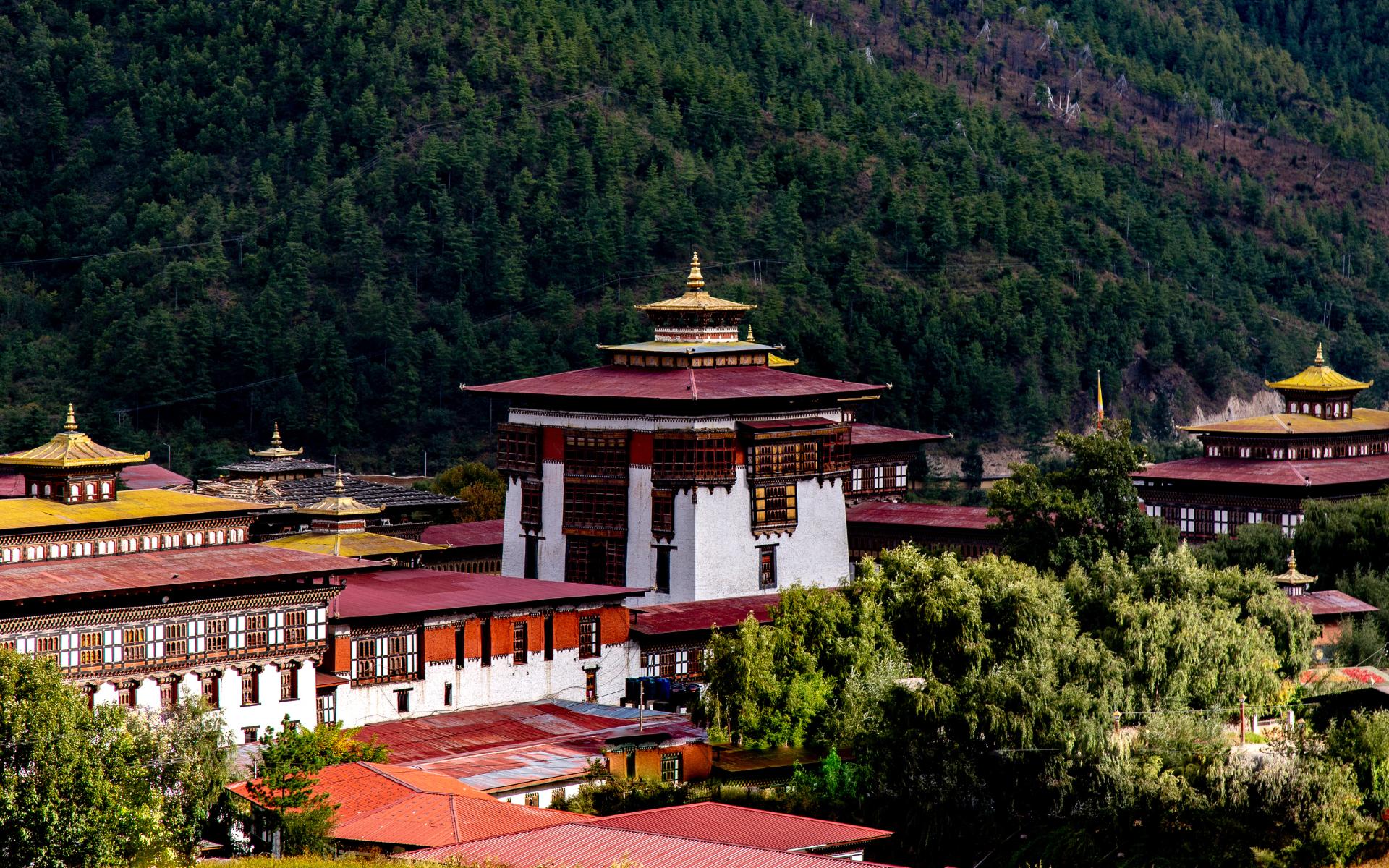
This place is at the intersection of two rivers. It serves as a winter home for the central monastic body and the administrative centre of the region. In addition, it is an excellent location to capture the peaceful environment.
You can see the:
You can also take a short 5-minute walk behind the Dzong to see Bhutan’s longest suspension bridge. It is a perfect spot for photos and a quick adventure.

Thimphu is the capital city of Bhutan. It is a place that has preserved its ancient traditions. The city has the Buddha Dordenma Statue. It is best photographed in the morning. Tashichho Dzong serves as the administrative center. It has the Central Monastic Body. Visitors can observe the monks’ daily life and admire the traditional architecture.
The highlighting features of Thimphu:
You can see and learn a lot from this place.

Phobjikha, also known as Gangtey Valley, is a pristine glacial valley home to many birds and breathtaking views of the Himalayan mountains. It is a winter sanctuary for the endangered Black-necked Cranes, which migrate here from the Tibet Plateau. The valley remains largely untouched by modernization, as the Bhutanese government has limited development to protect the cranes and the natural environment. With its stunning Himalayan vistas, Phobjikha is a paradise for nature lovers and photographers alike.
The beauty of Phobjikha Valley is given below:
A telephoto lens (70–200mm) helps isolate subjects and compress distant mountain layers.

Dochula Pass, just outside Thimphu, is a photographer’s paradise. It is lined with 108 chortens (stupas) and offers stunning panoramic views of the Himalayan ranges. You can also see Bhutan’s highest peak, Gangkar Phuensum (7,550 m). Clear skies, crisp mountain air, and the serene setting make it a must-visit spot for nature lovers and travel photographers.
Tip: Go early in the morning. The sky is much clearer, and sunlight feels much softer. You can easily take some really good shots here.
Beautiful aspects of Dochula pass:
This pass provides views of the Himalayas during clear days. On clear days, you can photograph the mountains rising behind the monuments.

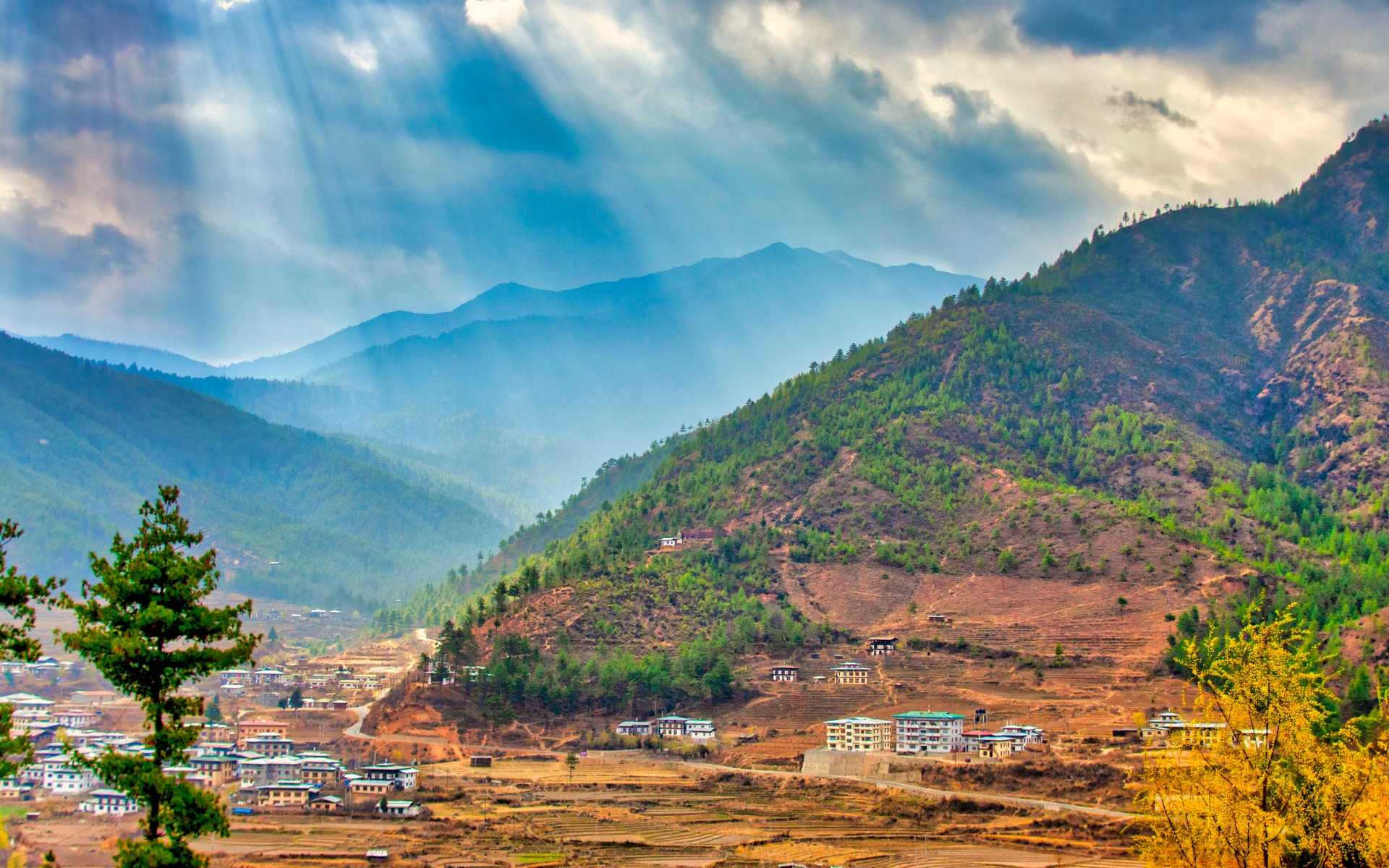
You really have to see the Haa Valley. It is known for its ethnic Bhutanese houses. It also has beautiful alpine meadows. To get to Haa you take a drive along the highest motorable roads. You can enjoy landscapes on both sides of the road. The road elevations are around 4,000 meters. The views are stunning. Moreover, this valley is the only habitat for Bhutan’s Bon pre-Buddhist religion. You will be offered a culturally interesting experience as well.
Highlights of Haa Valley:
Its nature preserves a peaceful atmosphere. It is perfect for long-exposure photography. The valley is easily accessible as well.
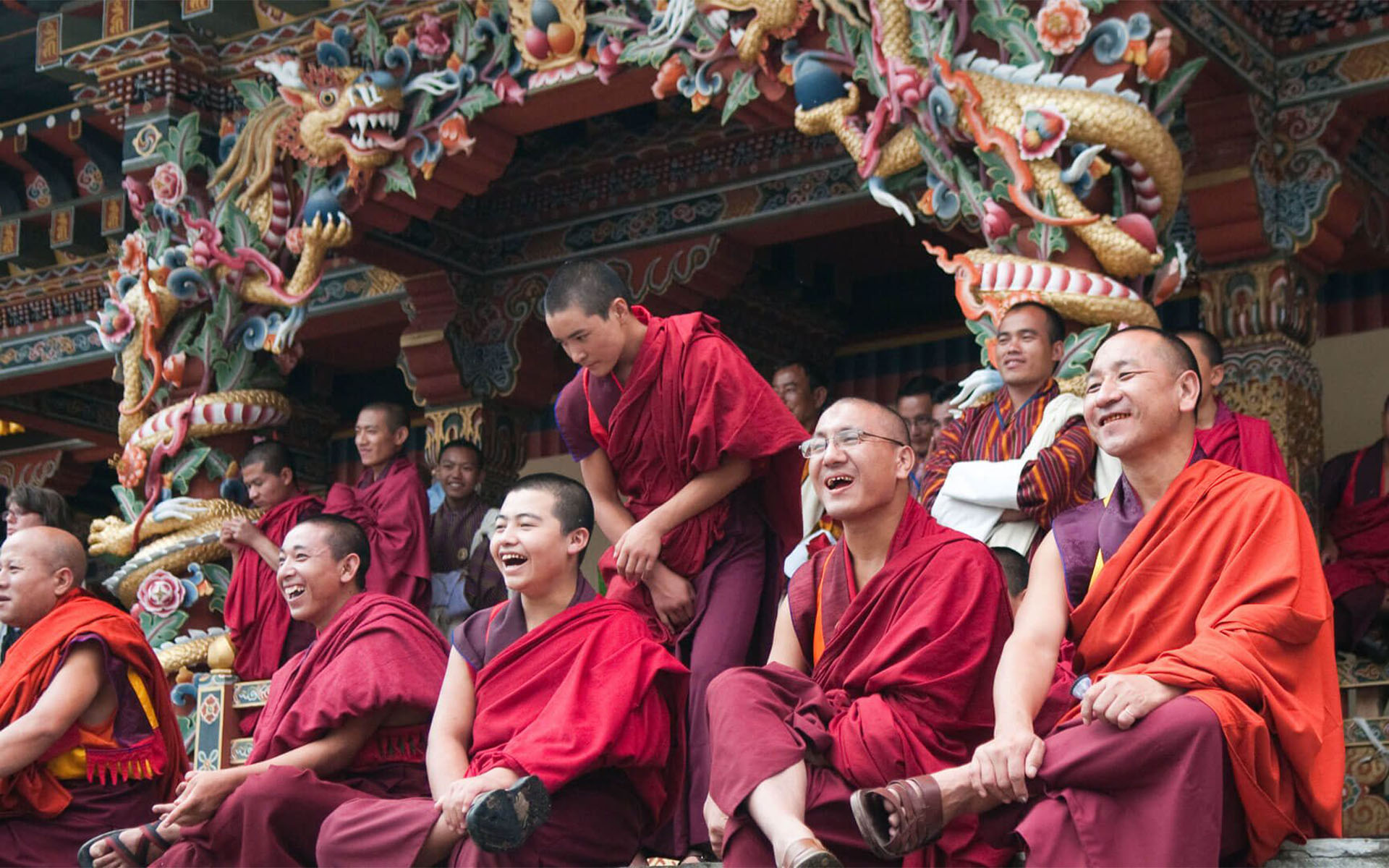
You can document the costumes and dances performed in front of historical structures. Major festivals take place in different cities.
The following things are visible in the Bhutanese culture:
Different districts allow photographers to capture a wide range of subjects. However, always ask permission before taking photos of people as a respectful gesture.
While traveling, practical factors will enhance your experience. Therefore, take a wide range of equipment. Bhutan’s weather is erratic, and quality clothing is advised.
Follow the listed suggestions to have a great time in Bhutan:
The weather can change suddenly, and the altitude can have an impact on some travelers. Internet connection is almost non-existent in remote areas.
With us, you can get a:
Your photos become richer when you understand the culture behind them.
We have combined all the important places in a single list. You should try to see:
| Day | Destination | Highlights |
| 1. | Paro | Tiger’s Nest sunrise + traditional village doors |
| 2. | Punakha | Dzong reflections + suspension bridge |
| 3. | Thimphu | Local markets + Tsechu festival |
| 4. | Dochula Pass | Himalayan panoramas |
| 5. | Haa Valley | Sunrise landscapes + local life |
You should try to:
All photographs should reflect real moments. Try to avoid over-editing any sacred or cultural scenes.
A photography tour to Bhutan lets you document the entire culture. It is a nation that incorporates traditional values with its natural beauty. Therefore, you will be able to create a portfolio that showcases creativity. Moreover, you can click a variety of photos from different areas in Bhutan.
Many photography trips in Bhutan are guided by local experts, helping visitors respectfully explore sacred and remote places.
Bhutan can be visited year-round. The reasons for this are given below:
There are no special permits for photography. However, you need permission to enter certain holy sites or to photograph people.
You should bring the following items for your trip:
Photographing is not permitted in most monasteries and dzongs without prior permission. Additionally, drone use is prohibited in certain regions.








Bhutan Travel Now- renowned for quality adventures and cultural immersion
Call Now
(+975) 17719310