15 May 2026
Call Now
(+975) 17719310The Jambay Lhakhang Drup is one of the oldest and most sacred Buddhist festivals in Bhutan. The festival takes place at the historic Jambay Lhakhang temple in the Choekhor Valley of Bumthang. Travelers visit this festival to witness sacred mask dances, spiritual fire ceremonies, and the famous naked dance ritual known as the Tercham.
Festival tours in Bhutan combine deep religious meaning with vibrant community celebrations. Locals gather in Bhutanese traditional dress, monks perform ancient rituals, and the temple courtyard comes alive with chants, drums, and masked dances that continue late into the night.
This guide explains everything you need to know about attending the Jambay Lhakhang Drup Festival.

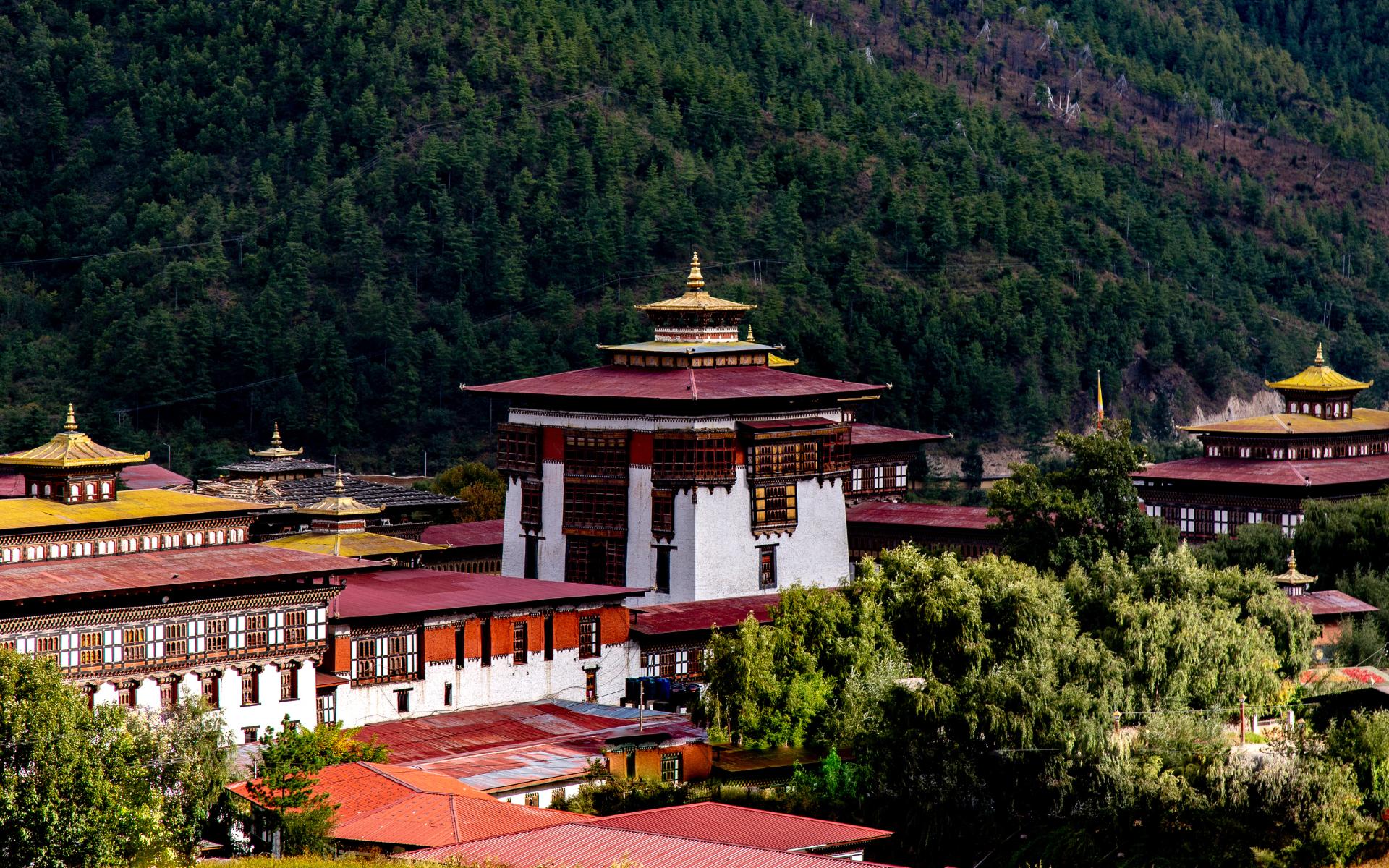
The Jambay Lhakhang Drup is one of Bhutan’s oldest religious festivals and one of the most spiritually important events in the Bumthang region. The festival takes place annually at Jambay Lhakhang, one of the oldest temples in Bhutan.
The festival honors Guru Rinpoche, also known as Padmasambhava, the Buddhist master who introduced Tantric Buddhism to Bhutan. It also commemorates the establishment of the temple itself, which dates back to the 7th century.
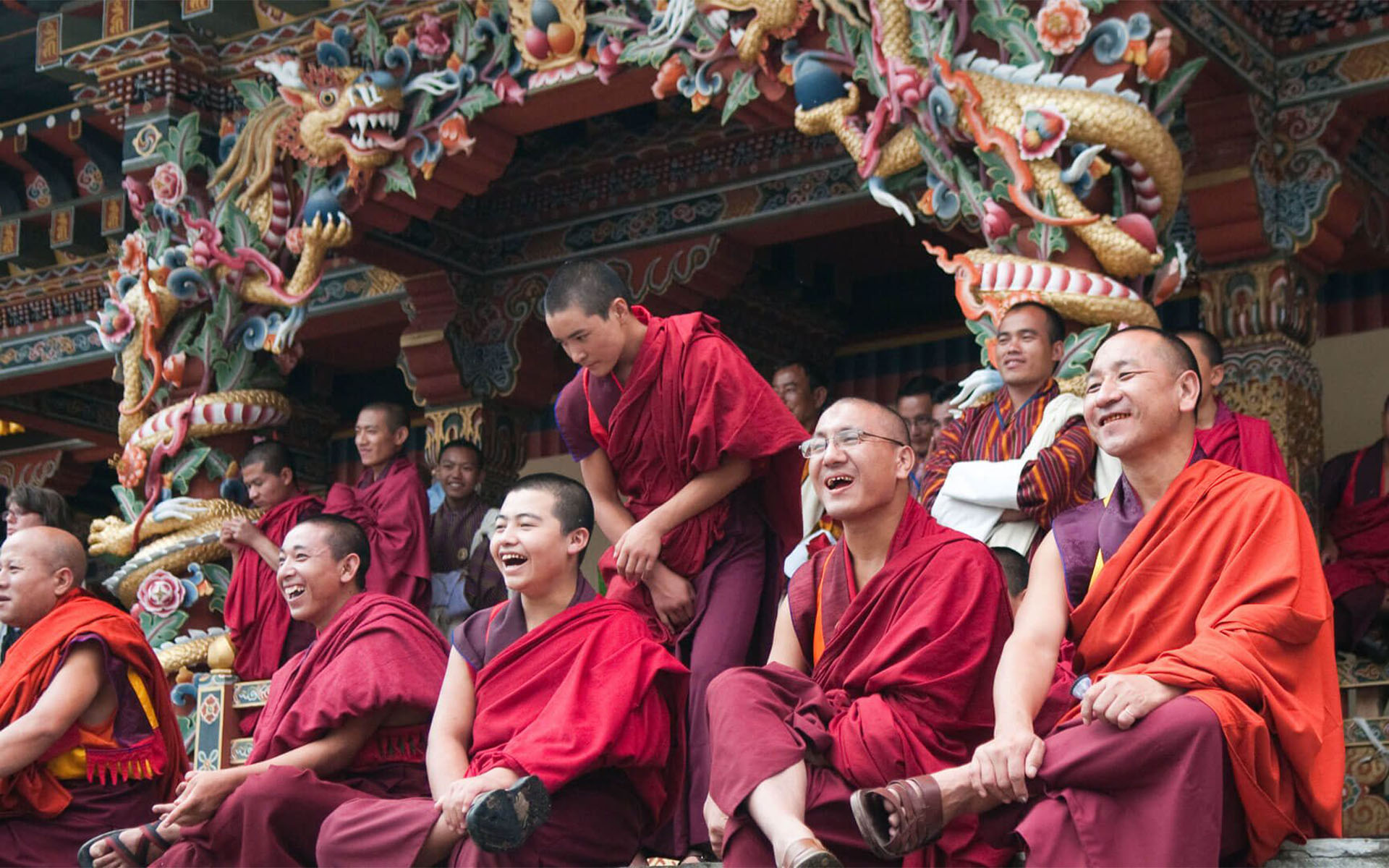
Unlike many modern cultural events, Bhutanese festivals remain deeply rooted in local religious life. Villagers from nearby valleys travel for hours to attend prayers and ceremonies, while Monks perform sacred dances symbolizing purification, protection, compassion, and liberation.
The atmosphere feels spiritual yet welcoming. Travelers do not simply watch performances here. They witness living traditions that local communities have preserved for centuries.
As a boutique tour operator, we keep our group sizes small and thoughtfully manage to ensure a more personal and immersive festival experience. We want each guest to truly enjoy the festival atmosphere, witness the celebrations up close, and gain a deeper understanding of the stories, symbolism, and traditions behind every ritual and masked dance.
Alongside this, we carefully design personalized and luxury Bhutan itineraries, because we believe travel is not just about itineraries. It is all about slowing down and forming meaningful connections. Through this way, you also get to meet local people and ultimately find a sense of peace along the journey. This is why slowing down matters and exactly why, at Bhutan Travel Now, we keep this as one of our topmost priorities.
The festival usually takes place during the 9th Bhutanese lunar month, which normally falls between late October and early November.
Expected festival timing for 2026:
Dates may vary based on the Bhutanese lunar calendar, so travelers should confirm the official schedule before booking flights and accommodations.
Day 1: The festival begins in the evening with sacred fire rituals and purification dances.
Major highlights include:
Day 2: The second day introduces ceremonial processions and elaborate mask dances.
Visitors witness:
Day 3: The third day contains some of the festival’s most important spiritual performances.
Highlights include:
Day 4: The final day focuses on blessings and sacred relic displays.
Key events include:

The history of Jambay Lhakhang reaches back to the 7th century during the reign of Tibetan King Songtsen Gampo.
According to Bhutanese and Tibetan Buddhist tradition, the Himalayan region once rested under the body of a giant demoness. The king believed her presence blocked the spread of Buddhism across the mountains. To subdue her, he ordered the construction of 108 temples across the Himalayas in a single day.
Jambay Lhakhang became one of those sacred temples. Another temple built on the same day stands in Paro and is known as Kichu Lhakhang.
Over centuries, the temple became one of Bhutan’s most important Buddhist centers. Guru Rinpoche reportedly visited the site several times during the 8th century and declared it exceptionally sacred.
Bhutan’s first king, Sir Ugyen Wangchuck, later added important religious structures and Kalachakra statues inside the temple after his victory at the Battle of Changlimithang in 1885.
Today, the temple continues to preserve ancient Buddhist teachings while serving as the spiritual heart of the Bumthang festival in Bhutan.
The rituals of Jambay Lhakhang Drup carry deep symbolic meaning. Each dance and ceremony reflects Buddhist teachings connected to purification, compassion, mortality, and spiritual liberation. The following Bhutan cultural festivals guide explains all the rituals:
The Mewang ceremony remains one of the most anticipated events of the festival. Monks build an arch using pine branches in the temple courtyard. They then light the structure on fire while sacred chants and ritual dances continue nearby.
People walk beneath the burning arch to receive blessings and purification. Locals believe the fire removes obstacles, negative energy, and harmful influences from one’s life.
The atmosphere during Mewang feels powerful and emotional. Drums echo through the courtyard while flames illuminate the faces of monks, villagers, and travelers gathered around the temple. For many Bhutanese families, participating in Mewang carries strong spiritual importance.
The Tercham or naked dance is the most famous and controversial ritual of the festival. The dance takes place close to midnight and only lasts a short time. Sixteen masked dancers perform the ritual wearing no clothing except ceremonial ornaments and masks.
The dance symbolizes fertility, purification, and the triumph of spirituality over evil forces. According to tradition, the ritual distracted demons that attempted to stop the construction of sacred monasteries.
Locals believe witnessing the dance brings blessings, fertility, and protection. Despite its unusual appearance to foreign visitors, the ritual carries serious religious significance. Respectful behavior remains very important during the ceremony.
The sacred Cham dances combine storytelling, music, symbolism, and meditation. Monks and dancers wear colorful silk robes and detailed masks representing:
The dances portray Buddhist teachings about karma, compassion, mortality, and enlightenment. The Raksha Mangcham, also known as the Judgment of the Dead dance, often leaves a strong impression on visitors. The performance depicts the soul’s journey after death according to Buddhist teachings.
The Atsara clowns balance the intensity of religious dances with humor and playful interactions. They entertain the crowd while also teaching moral lessons through comedy.
Yes, the festival suits families who want meaningful cultural exposure and a deeper understanding of Bhutanese traditions.
Children often enjoy:
The environment generally feels safe and welcoming. Bhutanese festivals attract entire communities, so visitors often see several generations attending together.
Some rituals, however, can feel intense for younger children due to symbolic depictions of death, spirits, and cremation grounds. Parents should explain the cultural and religious meanings behind the performances beforehand.
A knowledgeable local guide helps families understand the deeper symbolism of each ritual while making the festival easier to follow.
Travelers usually enter Bhutan through Paro and then continue toward Bumthang by domestic flight or road journey.
Most festival itineraries follow this route:
The drive itself becomes part of the Bhutan travel experience. Travelers pass mountain passes, valleys, monasteries, villages, and forests along the route.
International visitors need:
Travel regulations can change, so travelers should confirm updated entry rules before planning their trip.
See also: Bhutan Festival Calendar 2026
Guided travel makes the festival easier to understand and organize. Local guides explain the religious significance of dances, rituals, and temple customs.
Most travelers combine this festival with a wider Bhutan itinerary that includes monasteries, villages, and cultural landmarks across the country.
Bhutan Travel Now: a unique experience: We take care of your Visa, including SDF in our packaging price beforehand, and arrange all the necessary permits beforehand. This way, you can enjoy your time in Bhutan without worrying about the details.
A longer itinerary allows travelers to experience more of Bhutan beyond the festival itself and enjoy different things to do in Bumthang, Bhutan.
Day 1: Arrive in Paro and travel to Thimphu.
Day 2: Explore Thimphu monasteries and cultural sites.
Day 3: Travel to Punakha
Day 4: Visit Gangtey Valley and monasteries
Day 5: Travel through Trongsa to Bumthang
Day 6: Attend Jambay Lhakhang Drup Festival events.
Day 7: Continue festival attendance and explore Bumthang villages.
Day 8: Return to Paro
Day 9: Hike to Tiger’s Nest Monastery
Day 10: Departure
Many travelers also add homestays, village visits, and monastery hikes for a deeper cultural understanding.
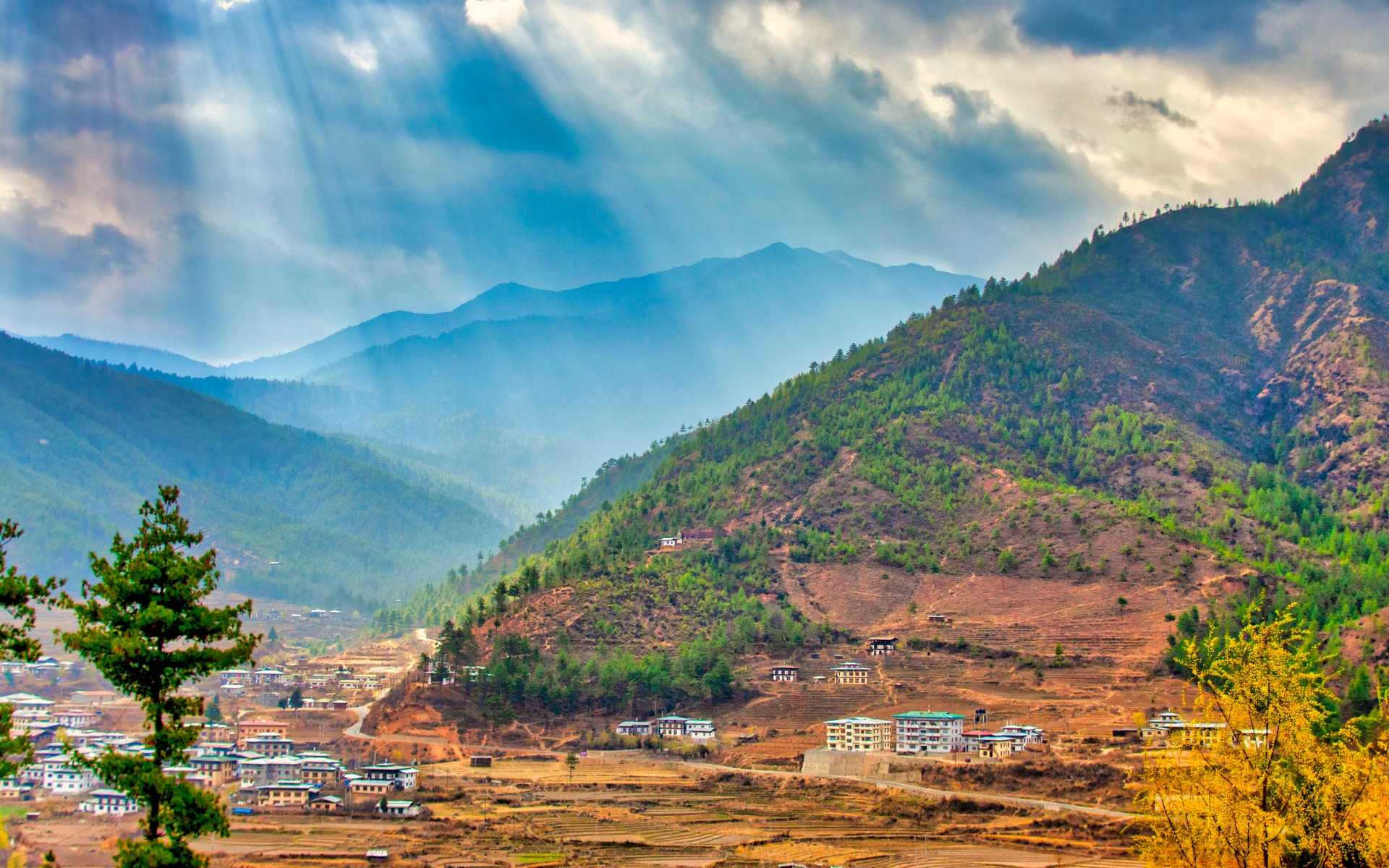
Bumthang offers a combination of:
Accommodation fills quickly during festival season because both local travelers and international visitors attend the event.
Homestays provide a more personal cultural experience. Guests often share meals with local families and learn about daily Bhutanese life. Hotels near the festival venue usually receive the highest demand, so early booking remains important.
Travel costs depend on itinerary length, accommodation level, and group size.
These prices usually include:
International flights to Bhutan remain separate from package pricing.
Wear respectful clothing during temple visits and ceremonies. Long sleeves and full-length pants work best.
Avoid loud behavior during prayers and sacred dances. Many locals attend the festival for spiritual reasons.
Evenings in Bumthang become cold during October and November. Carry warm jackets and layers.
Photography rules vary during rituals. Always ask before taking close photos of monks or worshippers.
Major ceremonies attract large crowds. Early arrival helps secure better viewing spots.
The Jambay Lhakhang Drup feels more intimate and spiritually grounded than some larger Bhutanese festivals.
Unlike heavily visited events such as Paro Tsechu, this festival maintains a strong local atmosphere. Villagers actively participate in ceremonies instead of performing only for tourists.
The combination of:
It creates a cultural atmosphere that feels distinct even within Bhutan. Travelers often leave with a stronger understanding of Bhutanese spirituality and community traditions.
The Jambay Lhakhang Drup offers one of the most meaningful cultural travel experiences in Bhutan. Ancient rituals, sacred dances, and strong community participation create an atmosphere that feels deeply authentic and spiritually important. For travelers interested in Buddhist traditions, Himalayan culture, and local Bhutanese life, this festival provides rare insight into practices preserved for centuries.
Plan your visit with Bhutan Travel Now and enjoy festivals in Bhutan to the fullest! Contact us today to get a personalized Bhutan festival itinerary.
The festival is expected to take place between late October and early November 2026. Final dates depend on the Bhutanese lunar calendar.
The Tercham or naked dance is a sacred fertility and purification ritual performed during Jambay Lhakhang Drup.
Yes, Bhutan festivals are generally safe, welcoming, and family-friendly for international visitors.
Travelers usually reach Bumthang by domestic flight from Paro or through a multi-day road journey across central Bhutan.
Yes, most international travelers require licensed Bhutan tour arrangements that include guides and transport.
Jambay Lhakhang is one of Bhutan’s oldest temples and forms part of the 108 temples built by King Songtsen Gampo in the 7th century.








Bhutan Travel Now- renowned for quality adventures and cultural immersion
Call Now
(+975) 17719310