15 Jan 2026
Call Now
(+975) 17719310A good trek is not defined by altitude alone. It’s about choosing a route that matches your pace, your fitness level, the duration of the trip and your personal trekking preferences, allowing you to manage altitude comfortably. Trekking in Bhutan also includes cultural exposure, remote landscapes, and limited infrastructure. There are several treks to choose from, categorized by difficulty and length. Among the most well-known are the Jomolhari Trek and the Druk Path Trek. These are some of the most famous routes, making trekking in Bhutan convenient. These treks have set routes and clear trail systems. Both treks have regulated campsites. But they offer very different experiences.
It is necessary that you consider aspects such as your fitness level and the altitudes in regard to making a decision on either of these options. Selecting the right trekking trail also determines the comfort of your trek. It is for this reason that we are providing information on both of these treks on this blog.

Trekking in Bhutan is largely road-free and takes place in protected landscapes. I know it because I have walked these trails for years. This is because Bhutan has been isolated from the rest of the world until the 1960s, and today, almost 70% is forest coverage. Bhutan is the world’s first carbon-negative country; its vast forests absorb more carbon dioxide (CO2) than the country emits from all activities.
You get to travel through beautiful forests and open paths. Most of them lack roads and are untouched in every way. Treks include valleys, yak grazing grounds, and passes. Monasteries and the lifestyle of the people can be observed too, in a setting mostly untouched and unspoiled.
Difficulty in Bhutan trekking is measured mainly by:
Climate and individual fitness also matter. These four factors remain constant for every trekker.

The trek to Jomolhari begins from Paro and acutely transitions to an alpine environment. Then it goes towards the peak of Mount Jomolhari. Before you begin this popular trek, a customized itinerary will help you acclimatize in Paro ensuring a comfortable start to your trek.
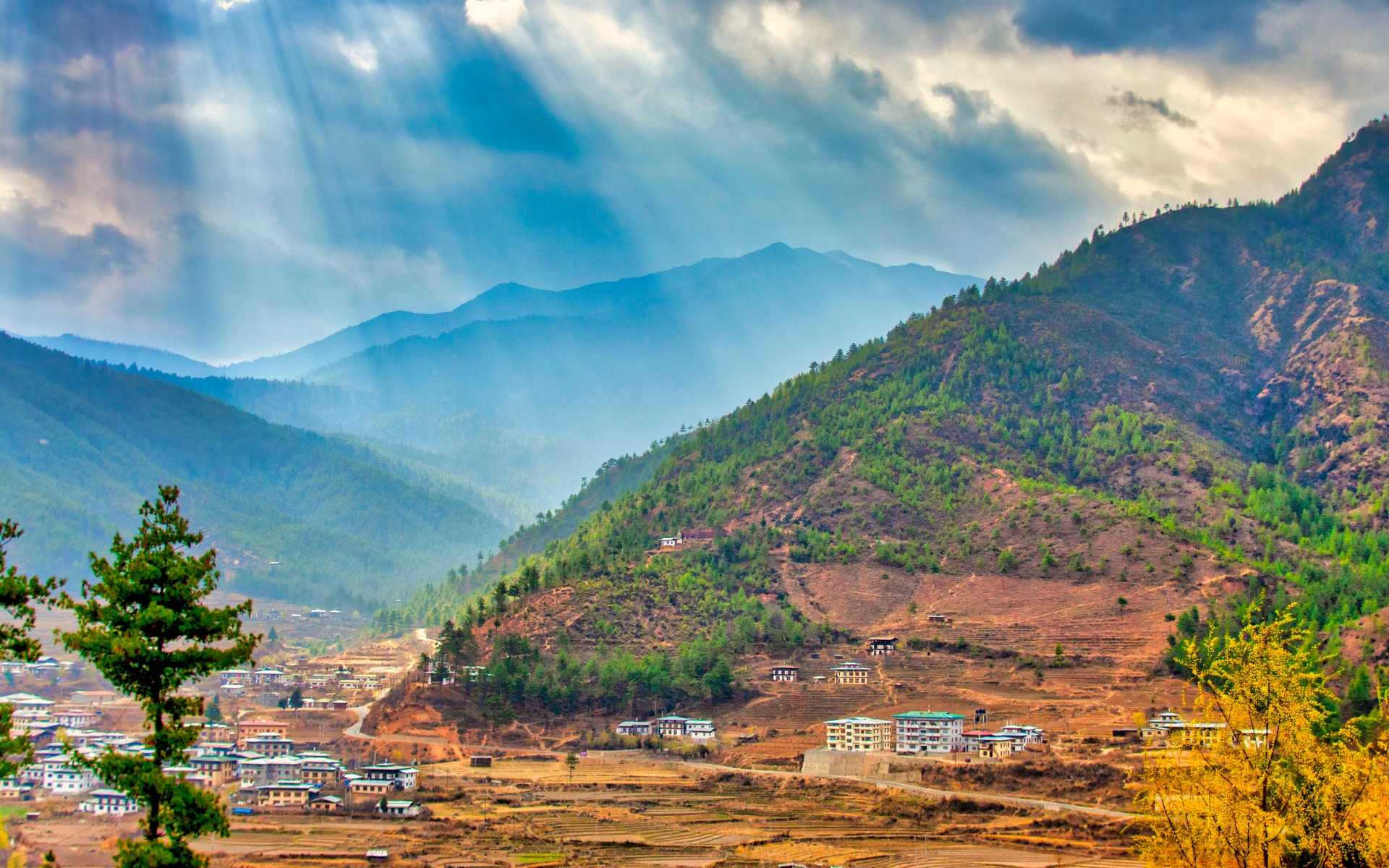
From the first day, the trail offers views overlooking Paro Valley and follows forested ridgelines. Then it opens into wide valleys with pastures. You can find the camps set up near rivers. Days follow a steady rhythm. Daily routines involve steady, sustained walking at a comfortable pace, with early arrivals at camp to allow rest and recovery.
So, how difficult is the Jomolhari Trek?
It is physically demanding mainly because of the altitude and duration. You would to required to have good stamina. You must also be comfortable walking for several hours daily.
There are specific days that will help you get used to the height. Even with acclimatization days, fatigue tends to accumulate over the course of the trek.
This route offers expansive mountain views and a strong sense of scale. On the route, you have places to visit such as monasteries as well as a Dzong, precariously situated on mountain slopes, spectacular Alpine lakes,and herd of BLUE SHEEP. You would also get to see various Alpine flowers, such as the Blue Poppy, which is the Bhutan national flower.
Day 1: Arrive at Paro (2,235m) and then check into the hotel.
Day 2: The next day, you go sightseeing and on an acclimatization hike to Tiger’s Nest Monastery (3,180m).
Day 3: Drive from Paro to Zangkey Pang and trek to Shingkharab (3,100m).
Day 4: Trek from Shingkharab to Sio Thangthangkha (3,750m).
Day 5: Trek from Sio Thangthangkha to Jangothang (4,050m).
Day 6: Acclimatize at Jangothang.
Day 7: Trek from Jangothang to Lingshi (4,100m).
Day 8: Trek from Lingshi to Shodu (4,100m).
Day 9: Trek from Shodu to Barshong (3,600m).
Day 10: Short Trek from Barshong & Drive to Paro, and a 3 to 4-hour (90 km) drive.
Day 11: End

The trek travels along the old trade route, giving you a sense of Bhutan’s history and traditional pathway. It also stays at a lower height compared to the Jumolhari trek. It can be completed in fewer days as well. This makes it much easier.
The route is calm and peaceful from start to finish. On the first day, you will see beautiful views of Paro valley below. Along the way you will pass through forest, gentle hills and alpine lakes. The campsites are strategically placed, allowing well-balanced days on the trail. The changing views make every single step more fascinating.
So, how hard is the Druk Path Trek? It is considered moderate. The altitude is high but manageable for most trekkers. The climbs are steady, allowing enough time to rest and acclimatize. This trek is not only suitable for beginners but also anyone who wants to experience trekking in Bhutan. It is ideal for guests who want to do a cultural trip and have only 8-9 nights in the country.
The Druk Path Trek offers contrast rather than scale. Lakes such as Jimilang Tsho and Simkotra Tsho appear along the route. You can also see the distant Himalayan peaks at all times.
Day 1: Arrive at Paro and sightseeing in Paro & Overnight Stay.
Day 2: Drive An excursion to Haa Valley.
Day 3: Acclimatization Hike to Tiger’s Nest Monastery (3,110 m)
Day 4: Hike from Paro Damchena to Jangchulakha (3870 M)
Day 5: Trek from Jangchulakha to Jimilangtsho (3,880 m)
Day 6: Trek from Jimilangtsho to Labana (2,779 m)
Day 7: Trek from Labana to Thimphu via Phajoding (2,430 m)
Day 8: Going to Punakha Valley for Sightseeing & Exploration (1,242 m)
Day 9: Travel from Punakha to Thimphu and sightseeing
Day 10: Drive to Paro for your onward journey.
Planning your trip? checking out our guides on How to Apply for a Bhutan Visa
This table illustrates the main aspects of both treks –
| Aspect | Jomolhari Trek | Druk Path Trek |
| 1. Altitude | over 4,800 meters | 3800 – 4235 meters |
| 2. Duration | 8–11 days | within 3-5 days |
| 3. Scenery | alpine wilderness, glaciers, open valleys | lakes, ridges, forests, mixed landscapes |
| 4. Difficulty | higher altitude, longer duration, more demanding | moderate altitude, shorter days, easier recovery |
| 5. Best for | Experienced trekkers with good stamina, comfortable with walking for long hours | First-time trekkers with an average level of athleticism |
Pick the first trek if you:
Choose the Druk Path Trek if you:

This question depends on what you value. The Jomolhari region shows Bhutan at a grand scale, where mountains define the experience. The Druk Path shows variety, where landscapes change every day.
The beauty of Bhutan changes with height and season. Trekking reveals this better than road travel.
Both treks require physical preparation due to altitude, weather variability, and daily walking demands. You have to be physically and mentally ready for both treks. The weather can change sometime and the effect of altitude varies from one person to another.
You should carry:
For more tips on staying safe and enjoying Bhutan, see Is It Safe to Travel to Bhutan? and Bhutan Solo Trip Hacks
Jomolhari Trek requires stamina and provides trekkers with ranges at high altitude, whereas Druk Path Trek provides variety in a shorter period of time. One will test your limits in terms of stamina, whereas the other provides a mix of both trekking in ranges with changing terrains. No need to rush into a decision here. You can think about which trek you want for yourself. Selecting the right trek will allow you to create a more enjoyable experience for yourself throughout the trek.
Join us at Bhutan Travel Now to experience unforgettable trekking adventures and find out what makes us unique. Check out the full itinerary and begin your adventure now!








Bhutan Travel Now- renowned for quality adventures and cultural immersion
Call Now
(+975) 17719310