28 Oct 2025
Call Now
(+975) 17719310Bhutan is one of the most sought-after travel destinations today. The country is rich in history, breathtaking landscapes, vibrant culture, and warm, welcoming people. Visiting this breathtaking country offers experiences that will stay with you for a lifetime. That is the charm of the Bhutan travel packages, giving you the freedom to plan your own journey through the country. From lush valleys to vast wildlife reserves, Bhutan has countless destinations to explore. In this article, we’ll guide you through some of the country’s finest national parks and wildlife sanctuaries.
Over half of Bhutan is dedicated to environmental conservation and the protection of wildlife. About 70% of the country’s total land area is covered by forests, while the remaining 30% includes farmland, settlements, and high-altitude terrain. These lush forests play a crucial role in preserving the environment while much of the world continues to face the challenges of climate change. Bhutan is also one of the few carbon-negative countries in the world; it absorbs more carbon dioxide than it emits, making it a global example of sustainability and harmony with nature.
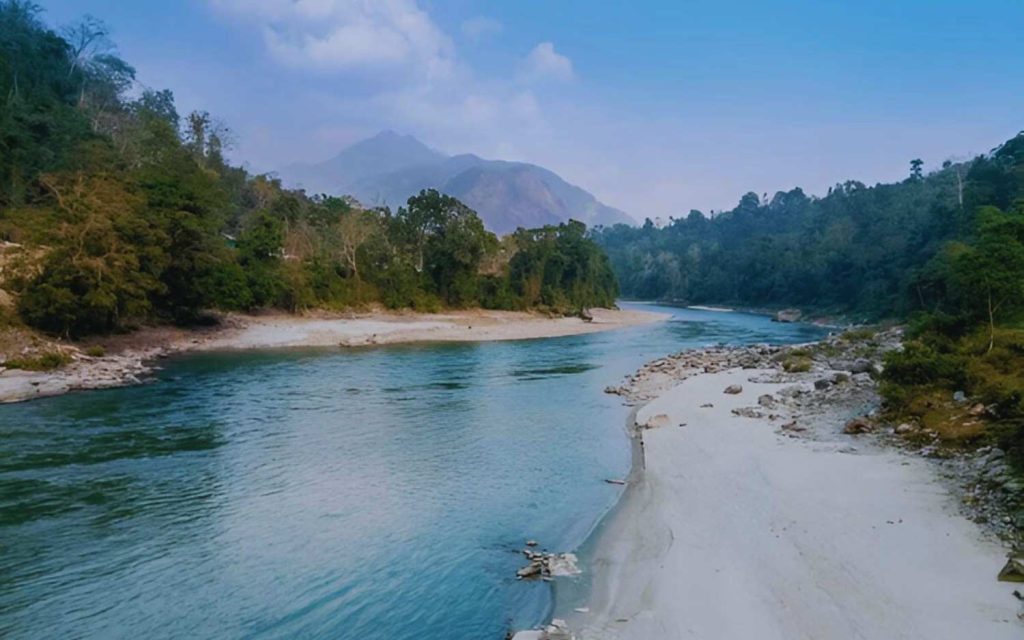
The hunting area of the former royalty has been turned into a terrain where nature dictates the rules. It boasts of homes to rare wild cats and unique primates.
In the case of Royal Manas, you’re visiting another popular tourist spot. The primates sporting distinctive orange coats live in such small numbers that seeing one is akin to winning the lottery.
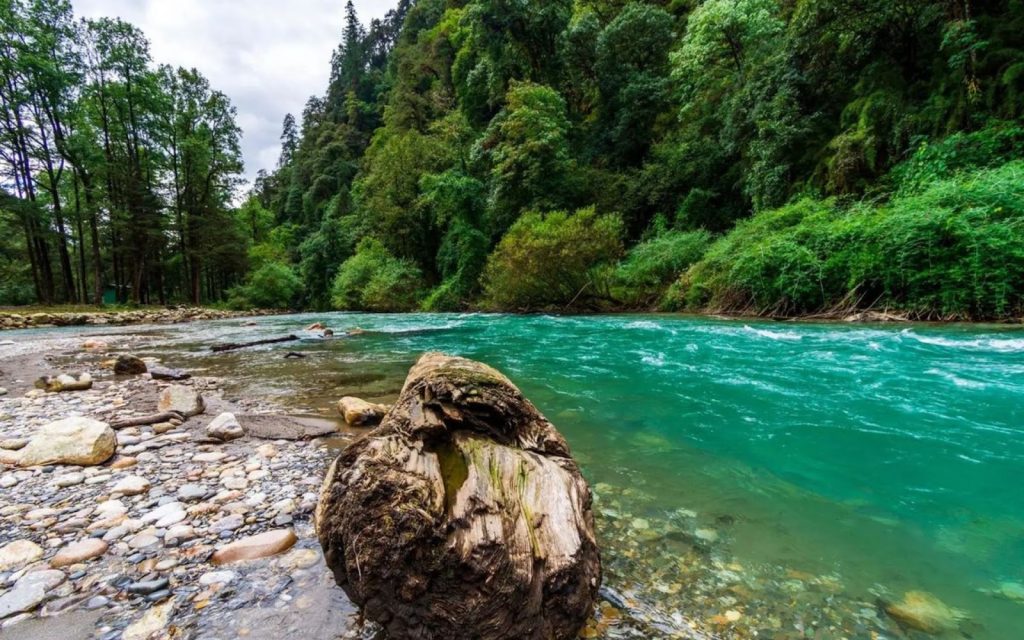
The park holds all the national symbols of Bhutan. The most notable observation in the park is the range of dramatic valleys and mountains. As a result, it creates distinct climate zones that support the most diverse of living things.
If you walk across Jigme Dorji, you might start the day in a forest and then end with meadows. Moreover, it is home to threatened species, so you never know what you can see on your journey.
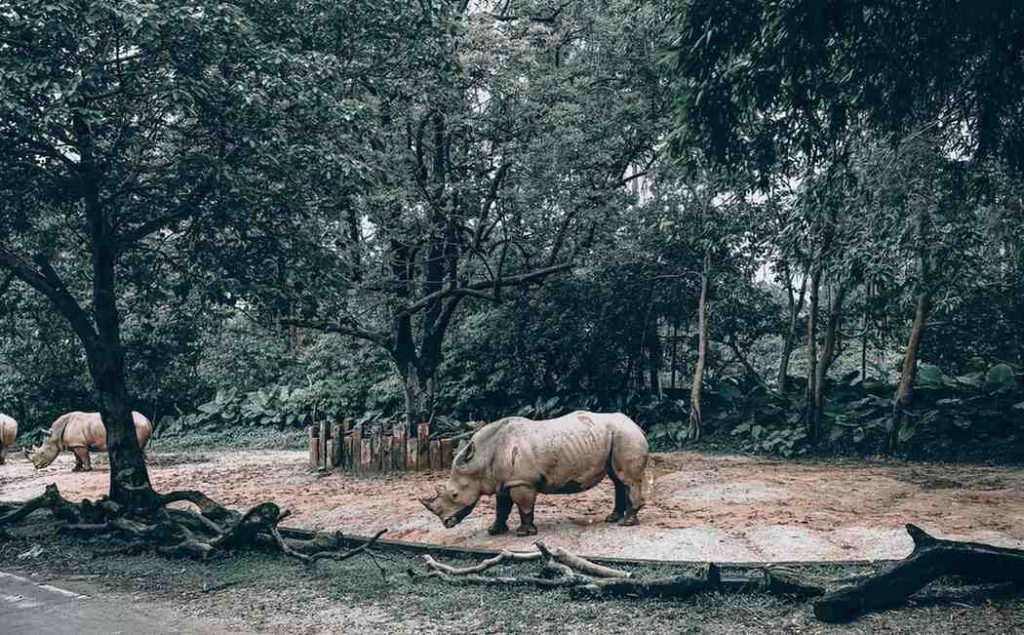
In addition to the National parks, Bhutan has four major nature reserves. They may be underrepresented in comparison to national parks; however, they are equally important to Bhutan’s story of conservation success.
The locals welcome the arrival of seasonal birds by celebrating festivals that combine joy and reverence. The sanctuaries show that conserving does not require a lockdown of people. It is a matter of having communities as guardians instead of observers.
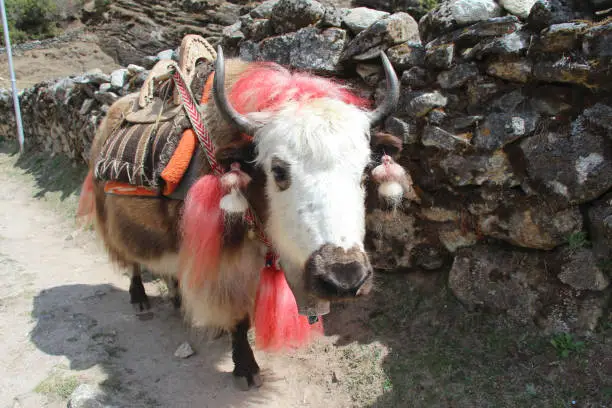
Access to these protected areas takes meticulous planning, as Bhutan does not offer large-scale tourism. The requirements include permits, licensed guides, and the willingness to take a slower route.
The most appropriate time of the year to see the wildlife is late winter to early summer. It is certainly time to explore the wild terrain of Bhutan. Lastly, each season paints the terrain with diverse colors and attracts various animals to the forefront.
If these places have ignited some desire for exploration in you, then you need guides and a proper Bhutan travel package. Moreover, when longing for the last of Asia’s wild frontiers, you have to get serious about organization and expert assistance.
They manage permits and provide you with experienced guides who are aware of which areas the animals are found. Moreover, they create itineraries that increase your chance of having memorable wildlife experiences.
Suppose you’re looking to hike through high altitude zones, trek through the Tropical forests, or observe migrations. On top of that, the country allows visa-free travel for some nationalities via tour operators.
Instead, you’re a mindful traveler as you participate in one of the best conservation successes. The protected areas of Bhutan don’t need to be discovered and are waiting to change your perception of nature and conservation.
Today, wilderness increasingly faces problems of nature experiences with technology, which harms their peace and habitat. However, a wildlife sanctuary in Bhutan has functioning ecosystems. And right now, these spaces need travelers like you who respect the boundaries. Finally, booking Bhutan travel packages through Bhutan Travel Now can take the intricacy out of the trip!
All of the given names are important facets of the nation and are widely visited by many enthusiasts or travelers.
Your tour operator can arrange access to different places based on the availability and permits that are granted to them by the nation.
You can spot the wild animals early in the day and maybe at dusk. It is due to the fact that animals are most active at these times.
It contains some of the country’s most sacred cultural sites, combining conservation with cultural preservation.
Visiting Bhutan’s national parks requires the services of licensed operators, who also serve as knowledgeable guides. These operators can help you with essential travel arrangements, including:








Bhutan Travel Now- renowned for quality adventures and cultural immersion
Call Now
(+975) 17719310