30 Sep 2025
Call Now
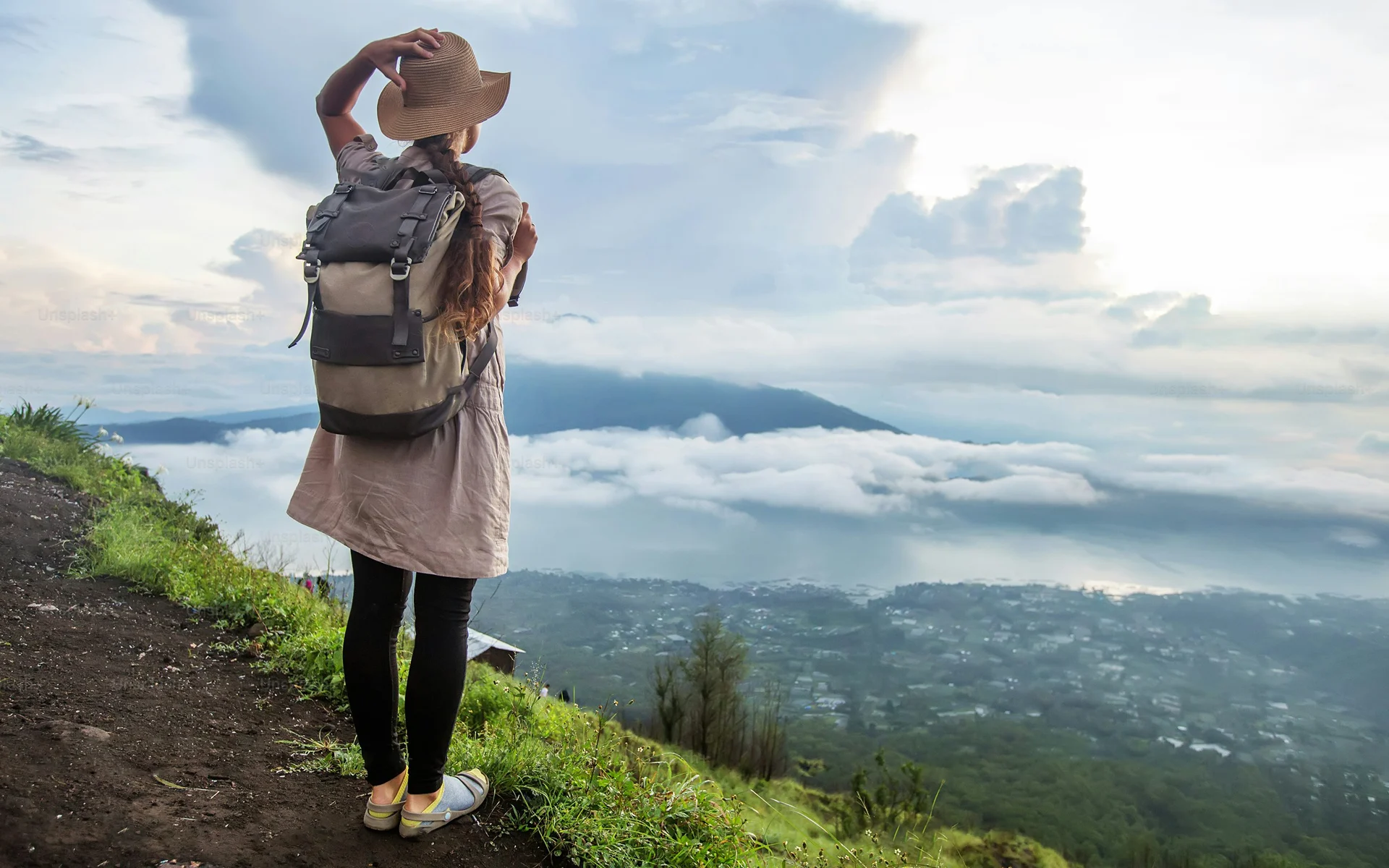
(+975) 17719310Quiet roads. Hilltop monasteries. Vibrant festivals. A solo trip to Bhutan is a serene and enriching experience. Traveling alone here gives you the freedom to move at your own pace—whether you’re strolling through peaceful valleys or wandering into remote villages where you can truly connect with the locals. Without the pressure of a packed itinerary, you have the space to slow down and soak in the moment. Most importantly, Bhutan is one of the safest destinations for solo travelers seeking adventure, reflection, and genuine human connection.
This guide is for anyone planning a solo trip to Bhutan. It covers everything from safety tips and making friends to smart travel planning and choosing the right Bhutan tour package.
Travelling alone here doesn’t feel lonely. The country is safe and the pace of life is simple enough to form genuine connections.
So, here are the solo travel tips that you need to remember:

Bhutan’s travel model requires all tourists to book through a licensed tour operator. For solo travelers, this means choosing a Bhutan tour package. Some may see this as a limitation, but for many, it adds structure, safety, and the chance to form genuine connections.
Your tour operator takes care of the logistics and pairs you with a licensed local guide who brings the journey to life.
Your guide handles permits, transport, and keeps you safe.
Guides know paths, local quirks, and hidden gems.
You stay part of a small group or sometimes solo, but never truly alone.

Bhutan’s seasons create mood differences. Here are seasons you can consider:
Solo trips in spring or autumn are perfect. You’ll find friendly company, festive energy, and clear hiking trails.
Bhutan is an ideal destination for solo travelers. A few quick habits can make your trip even better:
With just these small considerations, you can have a comfortable trip.

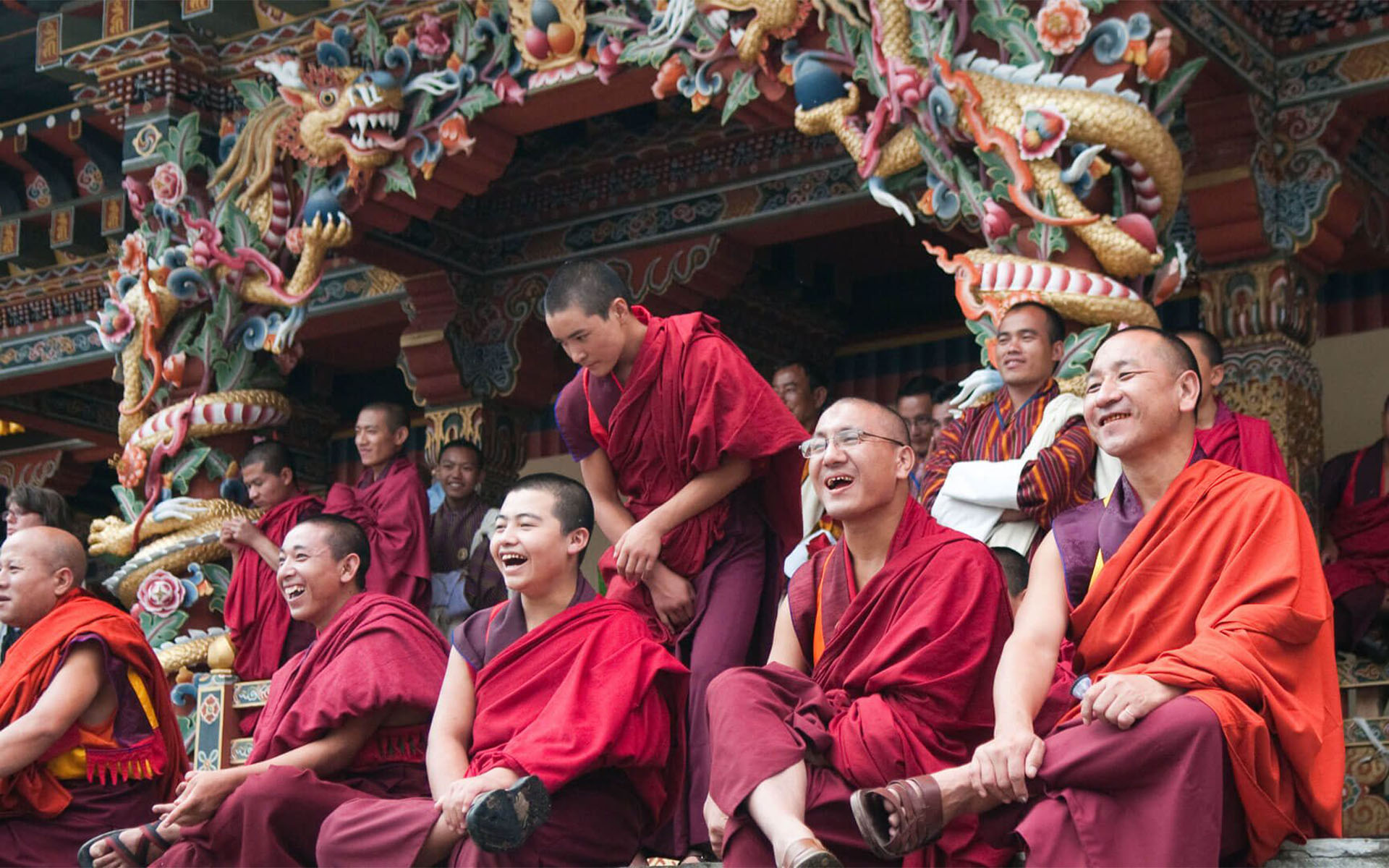
Bhutan glows through simple moments. The greatest friendships sometimes develop at homestays or local markets, not in large lodges.
These choices often lead to laughter, tea, traditional snacks, and new friends.
Connectivity isn’t always strong in Bhutan. Paro and Thimphu have Wi-Fi, but rural areas may experience lag.
Bhutanese culture is rooted in respect—a feeling that gently surrounds you as you settle into the rhythm of your journey.
In Bhutan, kindness is returned instantly. Show respect, and you’ll be met with the same in return.
High valleys cool quickly, particularly at sunrise and sunset. Wind increases in passes. It’s better to overpack than to risk shivering. You must check for the best time to visit before booking a tour.
A little added weight in your pack can be a huge comfort factor.
Most Bhutan tour packages mix solo and group moments. That balance works well.
Bhutan is gentle that way. It lets you move at your own pace, even in company.
Cards aren’t widely accepted. Many businesses and residences in Bhutan accept the Bhutanese ngultrum or Indian rupees.
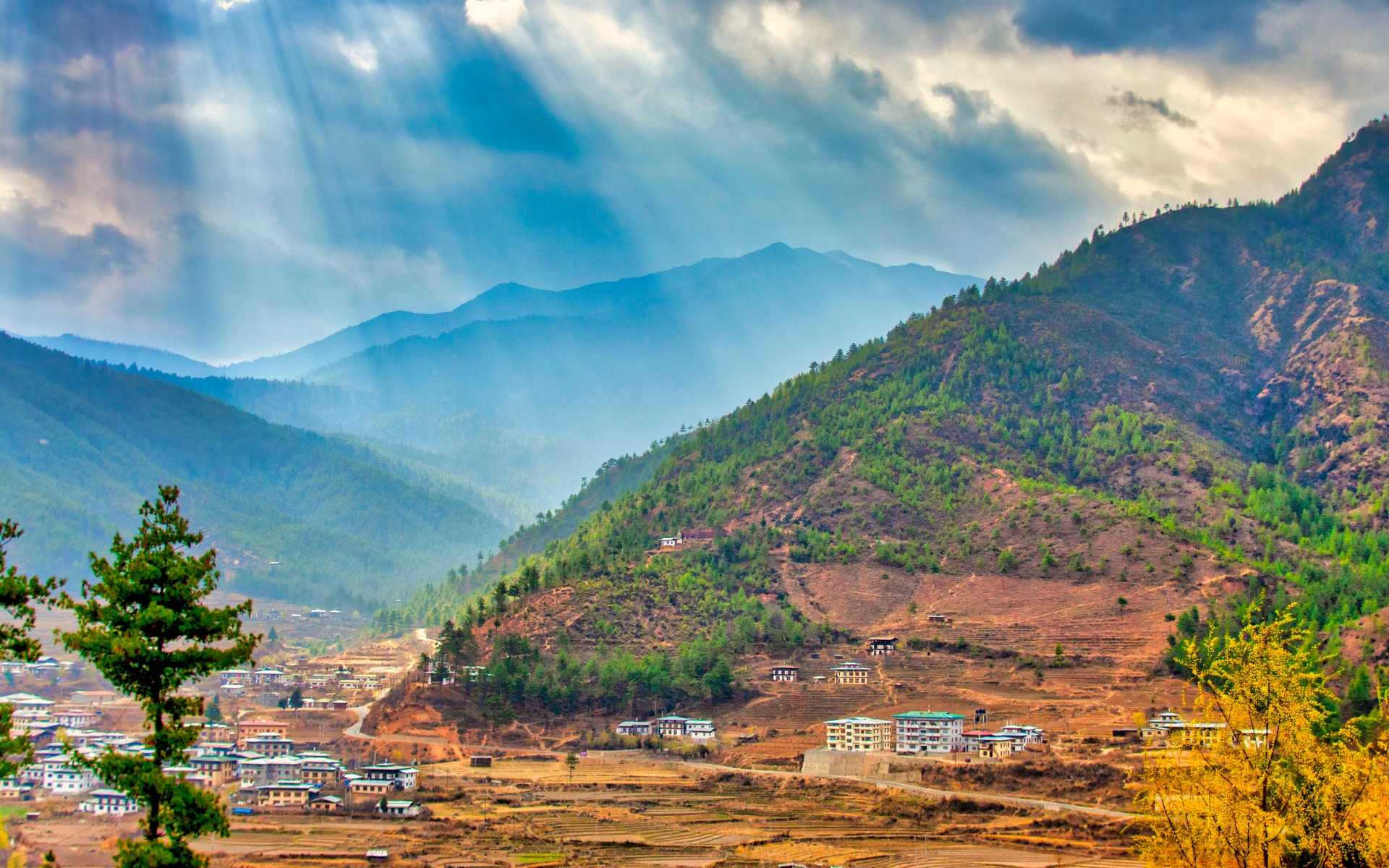
Thimphu, Paro, and Punakha are the valleys that you will hear about the most for good reason. But places like Haa Valley and Phobjikha bring a different kind of stillness magic.


These places feel more like private chapters than crowded tourist spots on a Bhutan trip.
A Bhutan solo trip may sound structured, but it gives space to breathe, reflect, and connect. You’ll travel safely with a guide. You’ll find stillness in valleys and markets. And you’ll meet people who share smiles and stories.
Ready to plan your solo trip to Bhutan? Check out the tailored Bhutan tour packages at Bhutan Travel Now. Safe, simple, and designed to help you explore Bhutan your way.
Yes. Every international visitor is required to travel with a licensed Bhutanese guide. This is part of the country’s tourism policy and ensures safety, smooth permits, and local insights during your Bhutan trip.
Yes. Crime rates are low. Public life is respectful. Just dress modestly and follow your guide.
Pack layers, warm clothing, rain clothing, strong shoes, and a power bank. Weather conditions can quickly turn in the hills.
Include at least one night at a homestay or guesthouse to experience local life firsthand. Participate in cultural workshops and try using a few words in Dzongkha to connect more deeply
Spring and fall offer clear skies and celebrations. So, it’s the ideal time for a Bhutan solo trip. Winter is more peaceful and colder. Monsoon is dramatic, but bring rain supplies and enjoy.
Yes, absolutely. We can arrange a female guide upon request. Just let us know in advance, and we’ll be happy to make the necessary arrangements to ensure you feel comfortable and supported throughout your trip.








Bhutan Travel Now- renowned for quality adventures and cultural immersion
Call Now
(+975) 17719310