09 Dec 2025
Call Now
(+975) 17719310Bhutan is a country where culture is lived every day. One of the most visually striking expressions of this is through our National dress. Men wear the gho, and women wear the kira. We love to wear this with pride. These garments are more than just clothing. They represent identity and reflect one’s heritage. This embodies the importance of showing respect for the nation, its culture and its residents.
You may be considering travelling to Bhutan or want to learn about traditions. Then, knowing about traditional clothing can give you an insight of how Bhutanese people make up their lifestyle and culture.
So, let’s explore more if you want to learn about the traditional dresses on your next Cultural tour to Bhutan.
Bhutan requires its citizens to dress in national attire. This applies to offices, schools, monasteries, and important events. This is not a forgotten policy buried in a government file.
Take a stroll through the streets in the village or city. There will be people dressed in the same way as their ancestors were. Even the notable person wears the gho every day.

Gho is made of lightweight cotton in summer. In winter, it is made with warm wool or wild silk. It features an extra flap of fabric above the waistband. This forms a surprisingly spacious pouch. It’s perfect for a phone, wallet, or even a small laptop. This is famously known as one of the biggest pockets in the world!
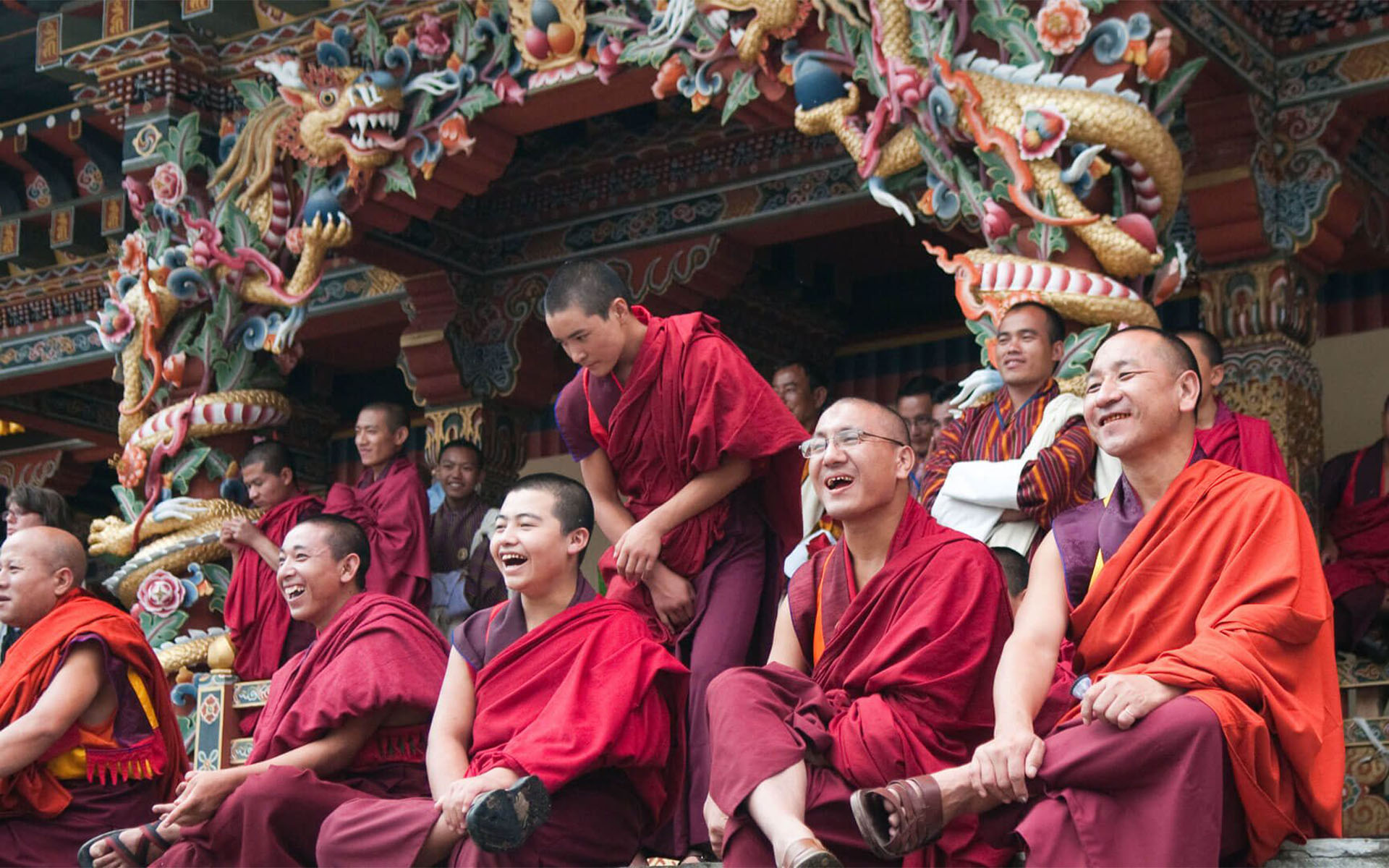
The gho is worn over an inner jacket called a tego. A long ceremonial scarf known as a kabney is draped and tucked neatly over it . Watching a Bhutanese man tie his kabney with brief, practiced fingers is a peek into a custom passed down through the years. The kabney must be worn when visiting monasteries, dzongs, temples, and during major festivals. Its color also signifies rank. Ordinary citizens wear white, ministers orange, members of parliament blue, and higher officials or dignitaries have their own designated shades, making it a visible symbol of status and tradition.

The Kira is a long, wide rectangular length of fabric that wraps around a woman’s body. It attaches at both shoulders with silver colour brooches known as koma. The Kira is one of Bhutan’s most beautiful and traditional garments due to the draping effect and the patterns on it.
The belt helps keep all the pieces in place. The short-length blouse known as a wonju, as well as a cropped jacket called a tego, finish the look. And then there are different designs which you can see on Cultural tours in Bhutan.
Under the shade of oak trees mothers and daughters create vibrant Bhutanese fabrics. Grandmothers guide the girls to count warp threads. Sometimes all the way to a hundred. Every fold and intricate pattern reflects generations of skill, patience, and pride. This keeps Bhutan’s traditional dress and weaving heritage alive.
In the eastern region, you can encounter a woman sporting a kira made of Himalayan nettle fibre. Each piece has stories to tell within its threads. Therefore, when you put your fingers through a handmade Bhutanese Gho and Kira pattern, it touches the generations.
You can watch a farmer walk up the steep slope in his gho. The answer is to itself. Ghos allows you to move freely, while its layers help you keep warm during winter.
There’s something magical about wearing Bhutanese attire. Your pose straightens naturally, your steps slow, and smiles come easily. The fabric’s soft warmth against your skin makes you feel connected to the culture, and people.
On trips to experience Bhutan’s culture, you may be invited to wear the National dress. Your host family will often lend you a gho or kira before dinner. This lets you experience Bhutanese culture firsthand.
After just a couple of hours, you stop feeling like a guest. Suddenly, it feels like you truly belong. You can sit by the bukhari cooking stove, share stories, feel warmth, and share laughter. These are moments when you truly become part of the community.
You can feel the weight of a kabney on your shoulder and watch prayer flags dance over emerald rice fields. Bhutan Travel Now, offering authentic Bhutan cultural tours through Cultural Tours Bhutan, takes you beyond the loom and into real Bhutanese life. If your trip matches a festival, you’ll even get the chance to wear the national attire. It is a great opportunity to wear the national dress-perfect for capturing beautiful photos and a fully immersing yourself in Bhutan culture.
We’re the personification of Bhutan living and breathing. Visit Bhutan Travel Now and let us wrap your next adventure in the colors of Gho and Kira!
To know more about local customs, explore our Bhutanese Etiquette & Greetings guide.
Tourists don’t have to wear the traditional dresses. But they can enjoy trying them on for the experience and photos. When visiting monasteries, temples, or dzongs, you must wear knee-length pants and full sleeves. Also remove hats and sunglasses.
State-owned shops and licensed weaving centres are the authentic places where you can find authentic items.
Bhutanese gho and kira are as practical as they are beautiful. This keeps you cool in summer and pairs perfectly with hand-made knee-high boots in winter. But our true charm lies in the patterns. This preserves Bhutan’s rich cultural identity, making every outfit a piece of living heritage.
Absolutely! Bhutanese kids start wearing mini gho and kira from elementary school. They wear it both in classrooms and at family gatherings. These traditional outfits are comfortable. It lets boys and girls run, jump. They can even play basketball or football proving that culture and fun go hand in hand from a young age.








Bhutan Travel Now- renowned for quality adventures and cultural immersion
Call Now
(+975) 17719310