28 Apr 2026
Call Now
(+975) 17719310Bhutan is a top destination for solo travelers and groups alike, offering a huge variety of unique experiences. From its famous High Value, Low Impact tourism policy to its vibrant cultural life and mountain adventures, there is so much to see. However, because the daily tourist fee (SDF) is a significant part of your budget, planning a detailed Bhutan itinerary is essential. You will want to make every day count- especially if you are embarking on a solo trip to Bhutan to ensure you experience the very best of the Kingdom.
This guide helps you make the most of your time with simple ideas that cover culture, food, nature, and local life. These tourist attractions are a must for all travellers planning to visit Bhutan in 2026-2027.

The Vibe: A royal masterpiece where two glacial rivers collide.
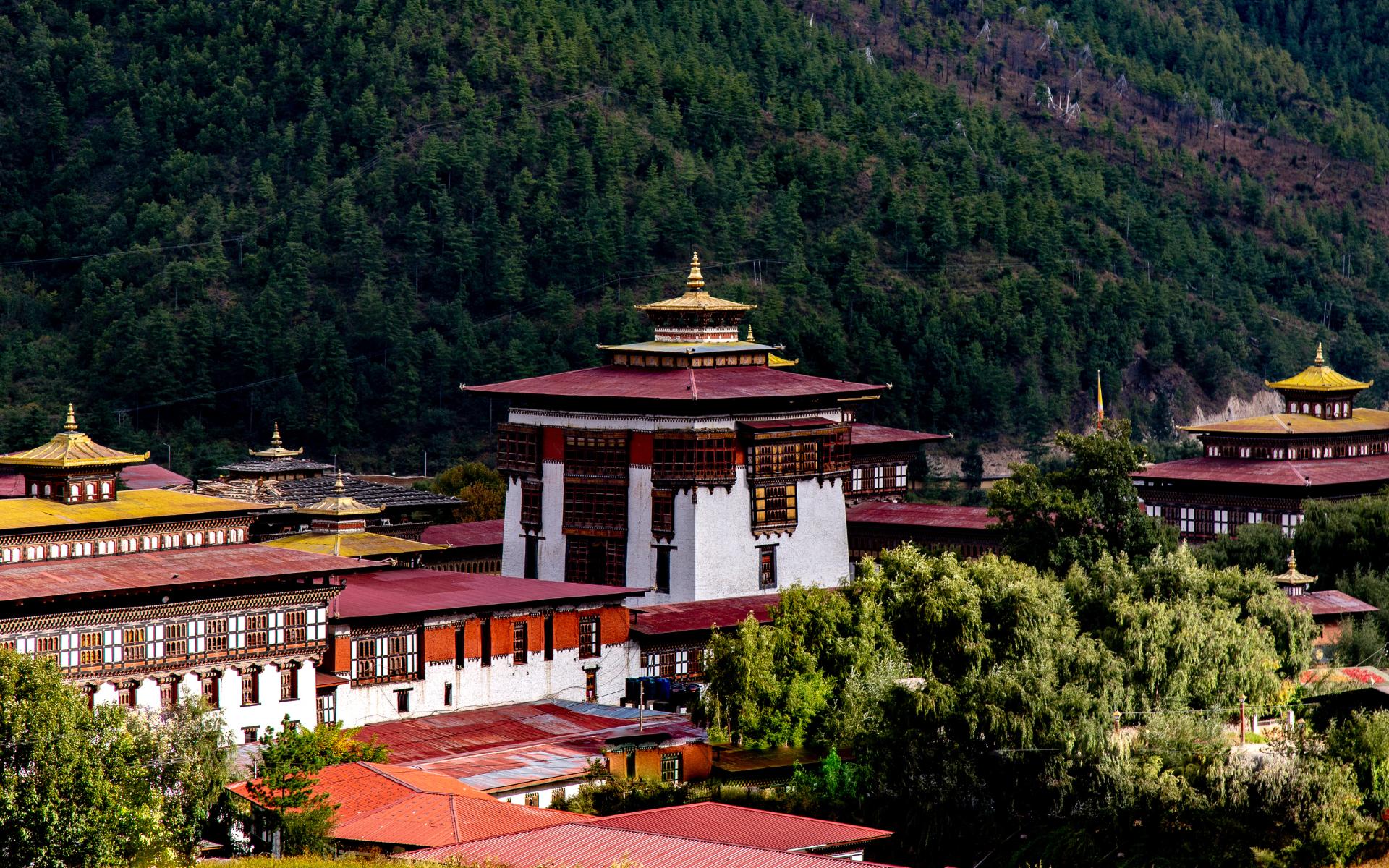
The Story: Standing at the majestic confluence of the Pho Chhu and Mo Chhu rivers, Punakha Dzong is the architectural heart of Bhutan. Known as the Palace of Great Happiness, this 17th-century fortress is the sacred site where the Kings of Bhutan are crowned. While the building has survived fires and earthquakes since 1638, it remains a symbol of peace, especially in March and April when the purple jacaranda trees are in full bloom, adding a dreamlike color to the ancient white walls.
We believe this setting is too beautiful to rush. Exclusively for our guests, we arrange a private, catered picnic lunch right on the riverbank beside the Dzong. Instead of a crowded restaurant, you’ll enjoy authentic Bhutanese flavors with an unobstructed view of the fortress and the flowing glacial river, a signature experience you won’t find elsewhere.
Visitor Essentials:

The Vibe: A spiritual explosion of color, rhythm, and ancient legend.
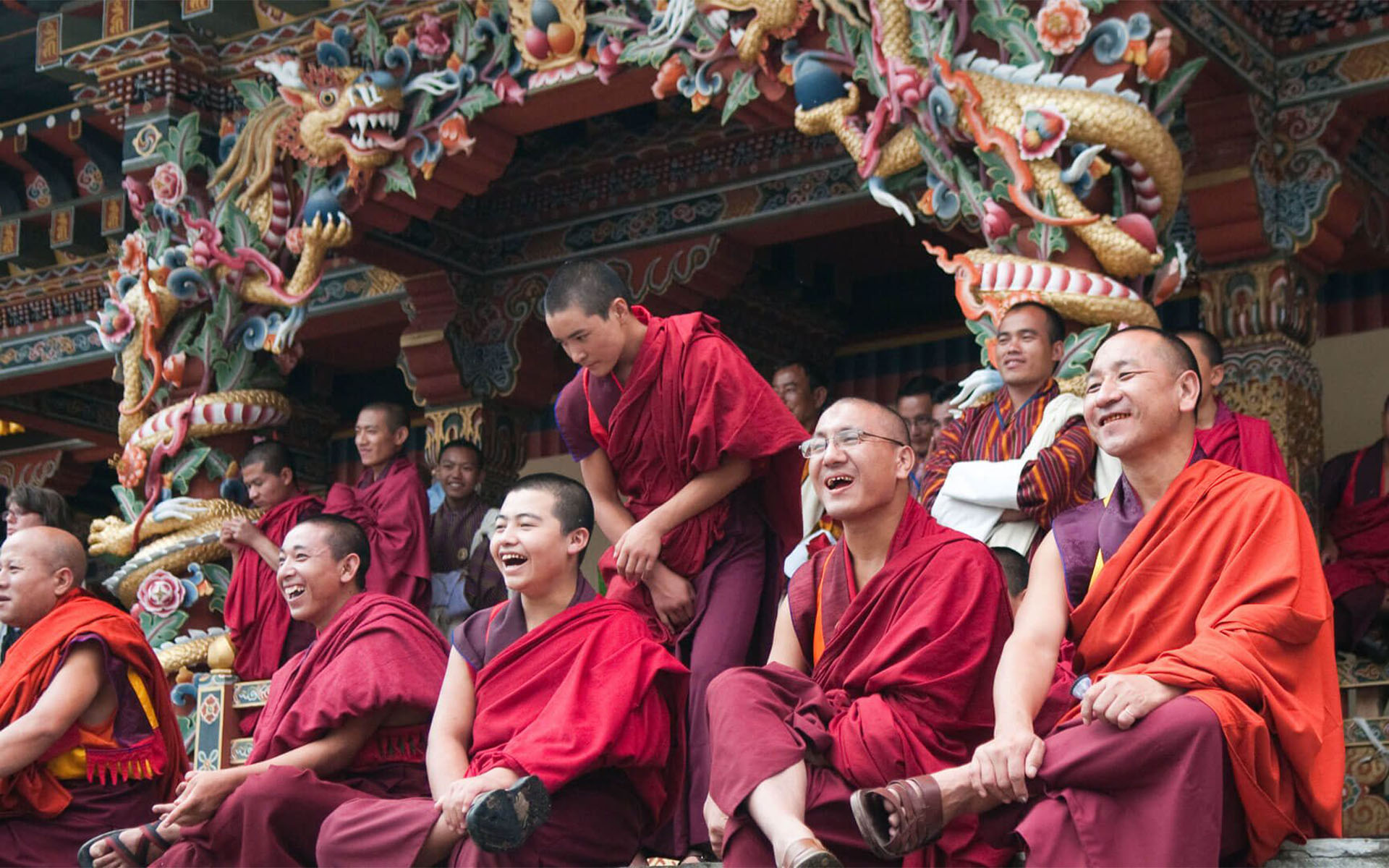
The Experience: A Tshechu is the beating heart of Bhutanese culture. In the courtyards of majestic Dzongs, monks perform sacred masked dances (Cham) that represent the victory of good over evil. While Thimphu and Paro Tshechu offer the grandest spectacle, we also recommend the Punakha Domche or Jambay Lhakhang Drup for a more intimate 2026 experience, especially the mystical midnight fire blessing.
To truly feel the spirit of the festival, you shouldn’t just watch, you should belong. Sherab and the team provide a traditional Gho (for men) and Kira (for women) as a complimentary service for our guests. Wearing the national dress is a sign of deep respect that opens doors to authentic local interactions and makes your photos against the ancient Dzong walls truly iconic.

The Vibe: Spicy, cheesy, and incredibly comforting.
The Experience: Bhutanese food is famously bold, centered around the legendary Ema Datshi (chilies and cheese). While many restaurants offer “mild” versions for travelers, the true flavors are found in traditional dishes like Kewa Datshi (potato and cheese) and Phaksha Paa (pork with red chilies). To drink, try Suja (salty butter tea) or a glass of Ara, a potent local rice wine.
We take you beyond the tourist buffet. Our team invites you into a local farmhouse for a private, hands-on cooking session.

Bhutan tourist attractions would be incomplete without adventurous treks. Tiger’s Nest is on a cliff in Paro Valley. The hike takes about two hours uphill. The path goes through pine forests. You will pass rest stops along the way.
The Vibe: Defying gravity with every spiritual step.
The Experience: No journey to Bhutan is complete without the hike to Tiger’s Nest (Paro Taktsang). Perched 900 meters above the Paro Valley floor, this 17th-century monastery clings to a sheer granite cliff. The two-hour trek leads you through fragrant pine forests draped in Spanish moss and past fluttering prayer flags, offering views that feel truly otherworldly.
Pro Tip for 2026 – 2027: To avoid the midday crowds and the Himalayan sun, we recommend hitting the trail as early as 6:00 AM. A spiritual highlight of the visit is offering a butter lamp inside the sacred chambers. It is a traditional gesture to dispel ignorance. To ensure a seamless experience, our tour company covers the cost of these butter lamp offerings for all our guests. Note that photography is strictly forbidden inside; your guide will help you secure your belongings in lockers at the main gate before you enter.

This trek takes you deep into the mountains. The views stay sharp and wide. Jhomolhari Peak rises high above the base camp. Many groups stay here for two nights.
You can also take short hikes to nearby lakes and ridges.
The Bhutan Travel Now Difference: We don’t just trek; we provide a luxury wilderness experience. We provide high-quality, cold-weather sleeping bags, professional-grade tents, and strictly boiled filtered water for your safety. Our trekking chefs prepare fresh, hot meals daily. If your trek coincides with a birthday, they’ll even bake a surprise cake at 4,000 meters!
The Ultimate Finale: The best part comes at the end of the trail. Sherab, the owner, personally meets every group in Thimphu with fresh pizza and cold beer to celebrate your achievement. He then takes all guests for a night out in Thimphu to experience the city’s vibrant nightlife. It is the perfect way to transition from the mountains back to civilization.
This trail stretches across the country. It connects old trade routes. You do not need to walk all 400 km. Short sections work well for day hikes.
At Bhutan Travel Now, we don’t just talk about the trail; we live it. Every itinerary we design includes a hand-picked section of this ancient pilgrimage route.
Sherab’s Insider Picks: For those who love a challenge, my favorite is the trek from Lungchutse to Dochula. Sitting at 3,560 meters, it offers the most incredible 360-degree Himalayan views. If you prefer a shorter, gentler experience, I highly recommend the segment from Lamperi to Laptshakha Village. This one-hour hike through the Royal Botanical Park ends in a beautiful traditional village with sweeping views of the Punakha valley.
The Personal Touch: I frequently mountain bike these ridges , so I know exactly where the best “secret” photo spots are. Whether we are hiking through rhododendron forests or biking the high ridges, we ensure you experience the TBT away from the main tourist crowds.
The Vibe: A mystical, deep-dive into your personal destiny.
The Experience: Step away from the typical tourist path and enter Pangrizampa, Bhutan’s 16th-century College of Astrology. This is where the Kingdom’s official lunar calendar is calculated. Here, you can sit with a monk-astrologer for a personal reading based on your birth details. It’s an ancient tradition that offers a fascinating perspective on your health, personality, and life path.

The Vibe: Complete spiritual immersion above the clouds.
The Experience: Perched on a dramatic cliff-face high above the Thimphu Valley, Dodeydra Monastery is a hidden world of its own. Founded in 1779, this monastic school is home to nearly 200 young monks. The 2.5-hour hike to reach it takes you through ancient forests, leading to a site famous for a “hidden text” believed to be inscribed deep within the solid rock.
While most travelers only see monasteries during the day, we offer an exclusive overnight stay at Dodeydra:
The Vibe: A 2,500-year-old journey into Himalayan wellness.
The Experience: While Bhutan has a modern healthcare system, the heart of the country still leans on Sowa Rigpa, the traditional “Science of Healing.” At the National Institute of Traditional Medicine in Thimphu, you can witness how local herbs and ancient pulse-reading techniques are used to balance the body. Interestingly, while the younger generation utilizes modern hospitals, many Bhutanese elders still view these herbal clinics as their primary choice for holistic recovery.

The Vibe: Wide, peaceful, and deeply connected to nature.
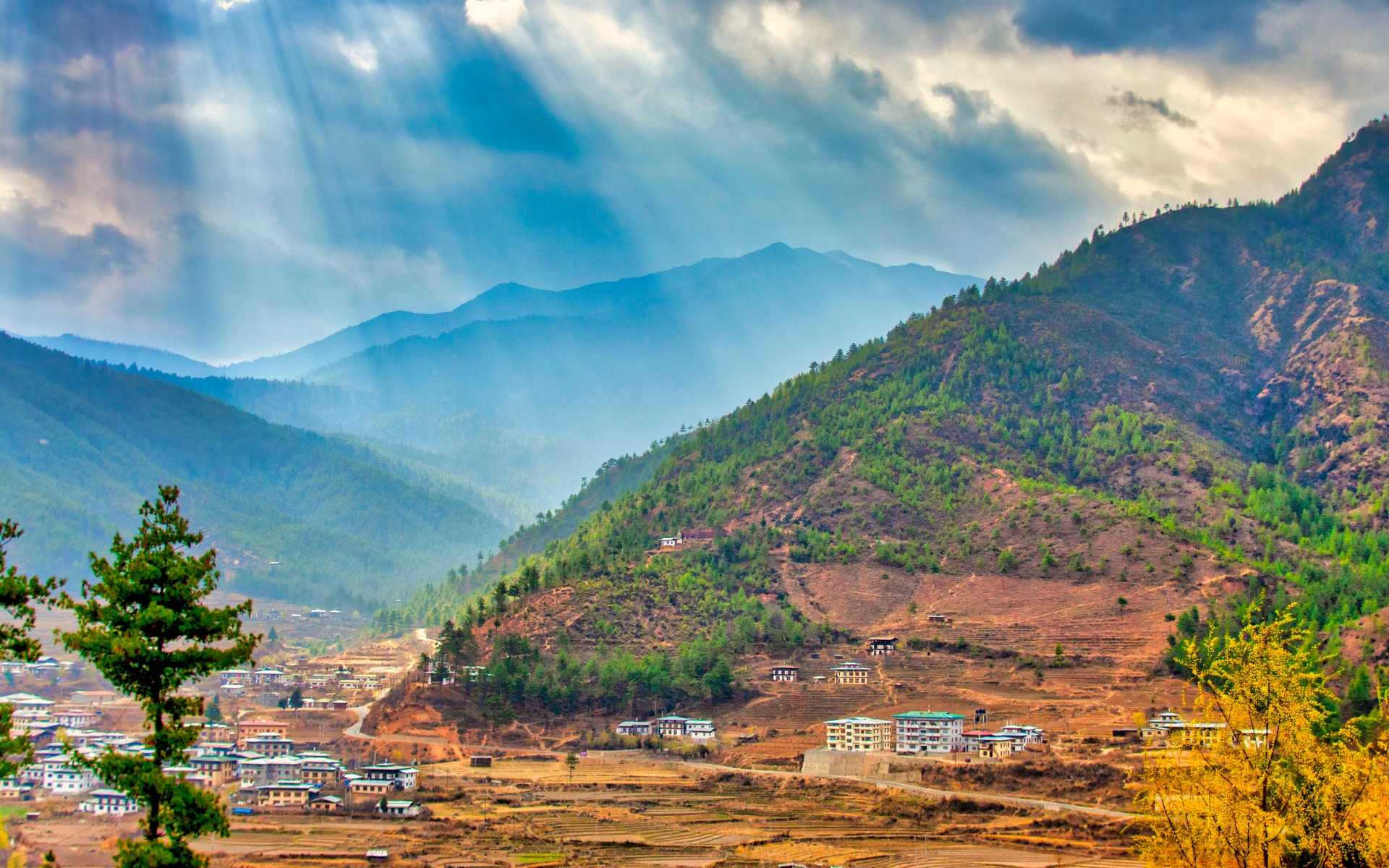
The Experience: Phobjikha Valley feels completely different from the rest of Bhutan. It opens up into a broad glacial valley where everything slows down. There are no busy streets or dense towns, just open land, scattered homes, and long walking trails.
This valley is also home to the rare black-necked cranes that arrive during winter. You can walk along the valley floor, visit small villages, and spend time at the Gangtey Monastery overlooking the landscape. The air feels still, and the space around you feels endless.
It is one of those places where you do not rush; you simply walk, pause, and breathe in the freshness of the Phobjikha Valley.
The Vibe: A sensory celebration of color, pride, and local tradition.
The Experience: Whether you are exploring the Centenary Farmers Market in Thimphu or the weekend stalls in Paro, Bhutanese markets are a revelation. One thing our guests are always surprised to see is how incredibly clean and organized the stalls are. Unlike the chaotic markets found elsewhere in Asia, Bhutanese farmers take immense pride in their presentation. You’ll find mountains of dried red chilies, blocks of hard yak cheese (Chhurpi), and aromatic incense, all harvested from the surrounding valleys.
The Vibe: A calm capital where tradition meets a slow modern rhythm.
The Experience: Thimphu does not rush you. It moves at its own pace, blending old structures with small touches of city life. You will notice monks walking past cafés, locals chatting on street corners, and shops that still feel personal instead of commercial.
Walk through Clocktower Square in the evening when the lights come on, and the space feels relaxed. Stop at small cafés, try local snacks, and watch how the city settles into the night. It is less about ticking places and more about observing how daily life flows here.
The Vibe: Quiet, sacred, and deeply untouched.
The Experience: Chumphu Nye sits away from the usual routes, hidden in the hills above Paro. The journey itself feels different. You move through forest trails, cross small paths, and slowly leave the city behind.
The site holds spiritual importance and remains less visited, which keeps the atmosphere calm and personal. You will find prayer flags, small shrines, and a silence that feels natural. It is not crowded or structured. You take your time, sit for a while, and let the place settle in. This is where Bhutan feels raw and less filtered. No rush, no noise, just space to pause.

The Vibe: Sharp focus mixed with jubilant local celebration.
The Experience: Archery is Bhutan’s soul. It’s a high-energy sport where teams aim at tiny targets nearly double the Olympic distance. Expect singing, dancing, and “friendly” insults between opponents, it’s a joyful, loud, and incredibly social event that defines Bhutanese community life.
We don’t just watch from the sidelines; we bring you into the game.

The Vibe: Remote, vibrant, and rooted in highland traditions.
The Experience: Bhutan’s mountain festivals bring together culture, community, and life in the highlands. The Royal Highland Festival is one of the most well-known, held in remote regions where daily life still follows old traditions.
You will see yak herders, traditional performances, and local communities gathering in open mountain spaces. Events often include:
For a more grounded and cultural setting, Bumthang Valley offers smaller local festivals that feel closer and more personal. The valley is known for its strong cultural roots, and festivals here reflect everyday life rather than large-scale events.
Here are some simple tips to make your trip more memorable:
These small steps make your trip smoother.
Bhutan offers more than just views. It gives you quiet moments, real conversations, and a different pace of life. Plan your days well. Mix culture, nature, and local stays. Keep time for simple things like walking through a village or sharing tea.
Start planning your Bhutan trip for 2026 or 2027 now with Bhutan Travel Now. Our Bhutan travel packages have everything you will need as a solo traveller or as a group.
The best time to visit is Spring (March–May) for blooming flowers and Autumn (September–November) for clear mountain views and major cultural festivals. Both seasons offer ideal weather for trekking and sightseeing.
Yes, most travelers need a visa or entry permit, which must be cleared before arrival. Your tour operator will process this as part of your trip planning.
Solo travel is fully permitted and welcomed. While you can explore independently, you must still book through a licensed tour operator to secure your visa and trek permits.
At Bhutan Travel Now, we specialize in private solo departures, giving you a personal guide and vehicle so you can set your own pace without being tied to a group.
A standard trip of 7–8 nights is ideal for covering the main highlights of Paro, Thimphu, and Punakha at a comfortable pace. If you want to experience deeper cultural immersion, explore central valleys like Bumthang, or include multi-day treks, plan for 11–13 nights.








Bhutan Travel Now- renowned for quality adventures and cultural immersion
Call Now
(+975) 17719310